James Carver just wants to live a normal life. Prosecutors want to put him back in prison.
A judge overturned his murder convictions due to new scientific evidence—but prosecutors say the ruling should be reversed
For the past year and a half, James Carver has been taking his electric scooter to a Dunkin’ for iced coffee on most days. Sometimes he goes twice. It’s a small pleasure that he had long been denied.
In July 1984, fire tore through the Elliott Chambers Rooming House in Beverly, Massachusetts. The blaze killed 15 people, making it one of the deadliest in the state’s history. Officials immediately suspected arson—and after receiving an anonymous tip, police focused their investigation on Carver, who was then a 20-year-old living with his family in Danvers and working two jobs in Beverly. Nearly four years later, an Essex County prosecutor secured an indictment against him.
After a 1989 trial, a jury convicted Carver of arson and 15 counts of second-degree murder, and a judge sentenced him to spend two consecutive lifetimes in prison. But Carver maintained his innocence throughout the decades. And in December 2024, Essex County Superior Court Justice Jeffrey Karp overturned his convictions, finding that the prosecutor used junk science to show the fire was arson and unreliable eyewitness testimony to place Carver at the scene. In February 2025, Karp vacated Carver’s sentences and released him without bail—finally freeing him after more than 36 years of incarceration.
Carver has enjoyed his life outside prison walls, but his future is uncertain. Eight days after Karp overturned the case, prosecutors filed a notice of appeal. And on May 13 at the John Adams Courthouse in Boston, a three-justice panel of the Massachusetts Appeals Court held oral arguments about whether to reinstate Carver’s convictions. Should the Appeals Court side against prosecutors, they could still retry him.
In 1989, the trial prosecutor alleged that Carver caused the Elliott Chambers inferno by pouring a flammable liquid on a bundle of newspapers and burning it outside the rooming house’s entrance. The prosecutor said that Carver set the fire during the early hours of July 4, 1984, because he was angry his ex-fiancée had dated a man who lived in the building. Key to the prosecutor’s case was testimony from a former friend of Carver who alleged that he confessed to her. However, Carver’s parents testified that he had been sleeping at home in Danvers when the fire started.
Prosecutors now concede that there’s no physical evidence the fire was started with a flammable liquid. However, Catherine Semel, who heads the appeals division of the Essex County District Attorney’s Office, told the justices in May that evidence of Carver’s alleged motive, intent, and confession are strong enough to sustain his convictions.
Carver’s lawyers argued that the fire could not have started in the manner to which he allegedly confessed and that there’s no conclusive evidence it was arson in the first place.
When police arrested Carver in May 1988, he was 24 years old, working as a truck driver, and had moved to Ipswich. He was also just starting a family. He lived with his then-wife, who had given birth to the couple’s daughter about seven weeks prior.
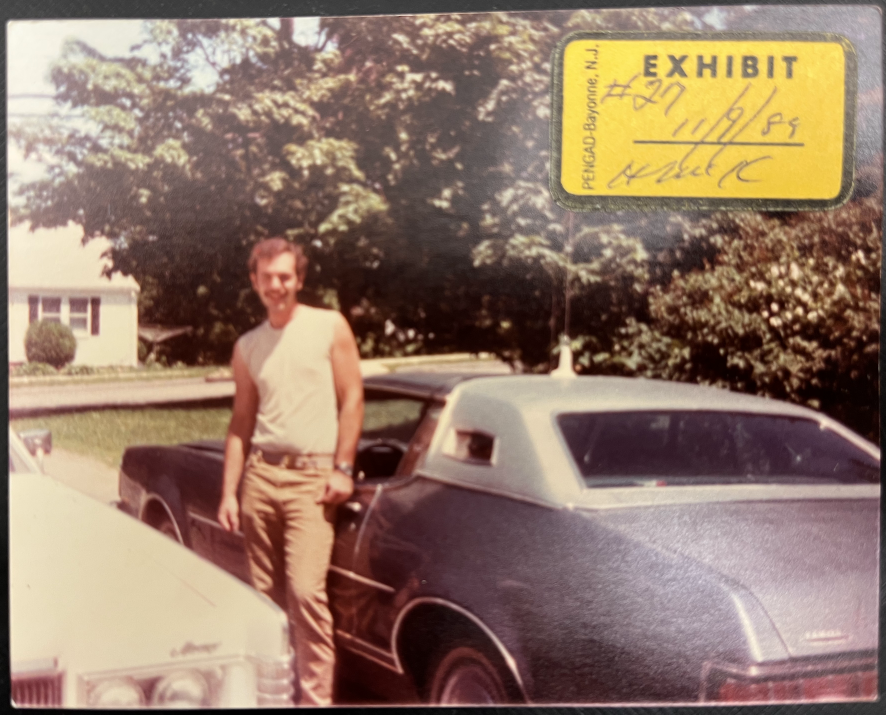
While he was in prison, his mother, father, and older brother passed away. He and his wife divorced in 1991, even though she always believed he was innocent. He also couldn’t see his daughter, except in a visitation room.
And five days before Carver attended the Appeals Court arguments in May, his younger brother passed away from cancer in a hospice unit in Michigan. Carver was not able to visit.
Now 62, Carver has difficulty standing, requires a wheelchair or electric scooter to get around, and is incontinent due to a 2005 surgery to remove a brain tumor. He experiences tremors that sometimes make it difficult to feed or dress himself. He’s also deaf in one ear and hard of hearing in the other.
He lives in a residential-care home, a type of assisted-living facility that lacks 24-hour nursing staff but can accommodate his disabilities and medical issues. He’s largely independent, but he needs help managing his medications and preparing meals due to his decades of incarceration.
While the legal process plays out, he’s required to wear a GPS ankle monitor and is prohibited from leaving the state as conditions of his release from prison. However, he’s gotten permission from Karp to visit his family in New Hampshire on a handful of occasions.
Carver is represented by four attorneys, including Lisa Kavanaugh and Charlotte Whitmore. Kavanaugh directs the Innocence Program at the state’s public defender agency, the Massachusetts Committee for Public Counsel Services (CPCS). Whitmore is a staff attorney at the Boston College Innocence Program.
Whitmore argued for Carver before the Appeals Court panel. After approaching the podium, she gestured to her client, who was seated behind her.
“Mr. Carver served 35 years of wrongful incarceration before being released in February of 2025,” she said.
“Well, we’re not sure, right?” replied Appeals Court Justice Kenneth Desmond. “That’s why we’re here.”
The Appeals Court arguments in the James Carver case can be viewed on YouTube here.
“Far from overwhelming”
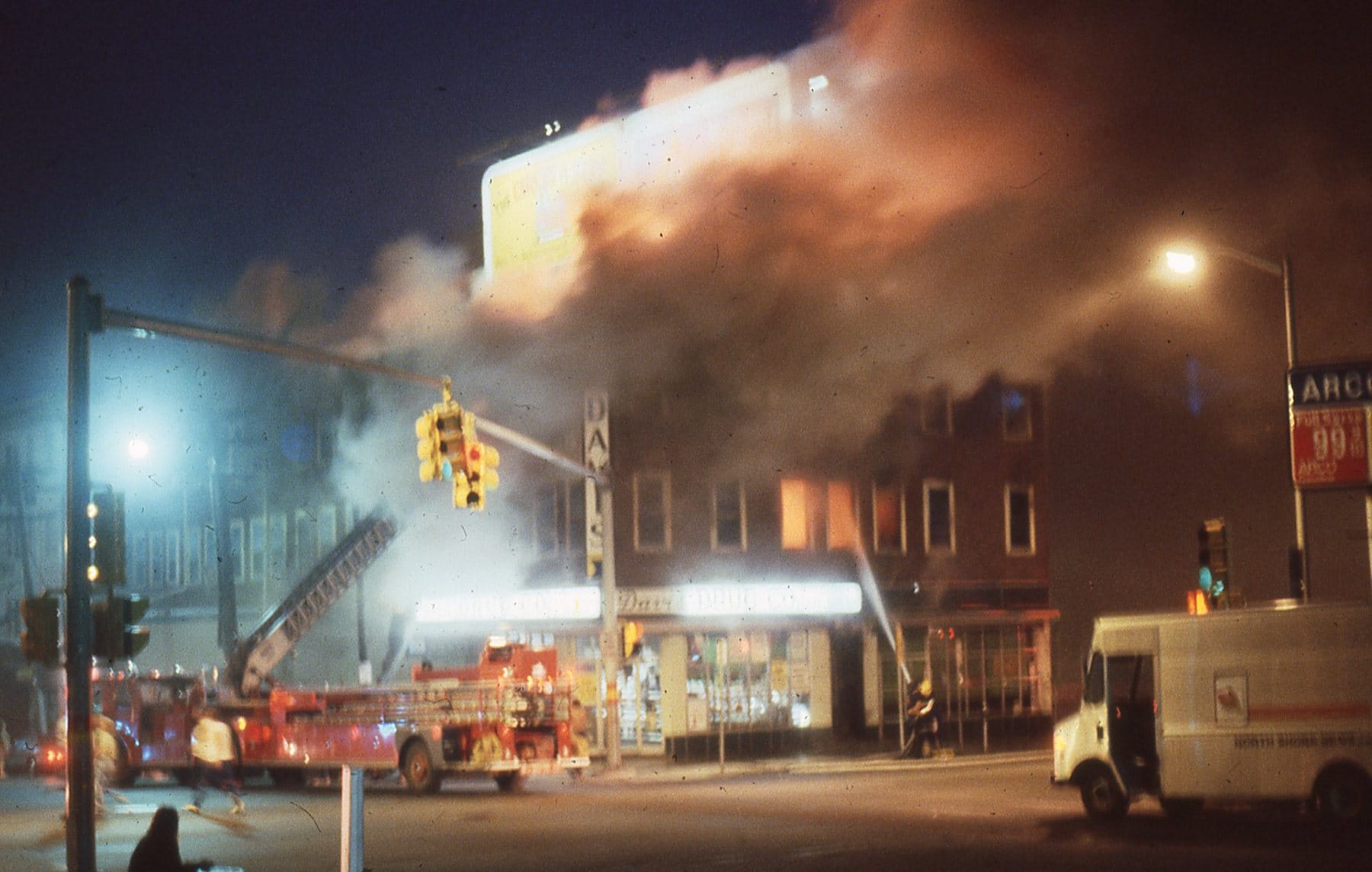
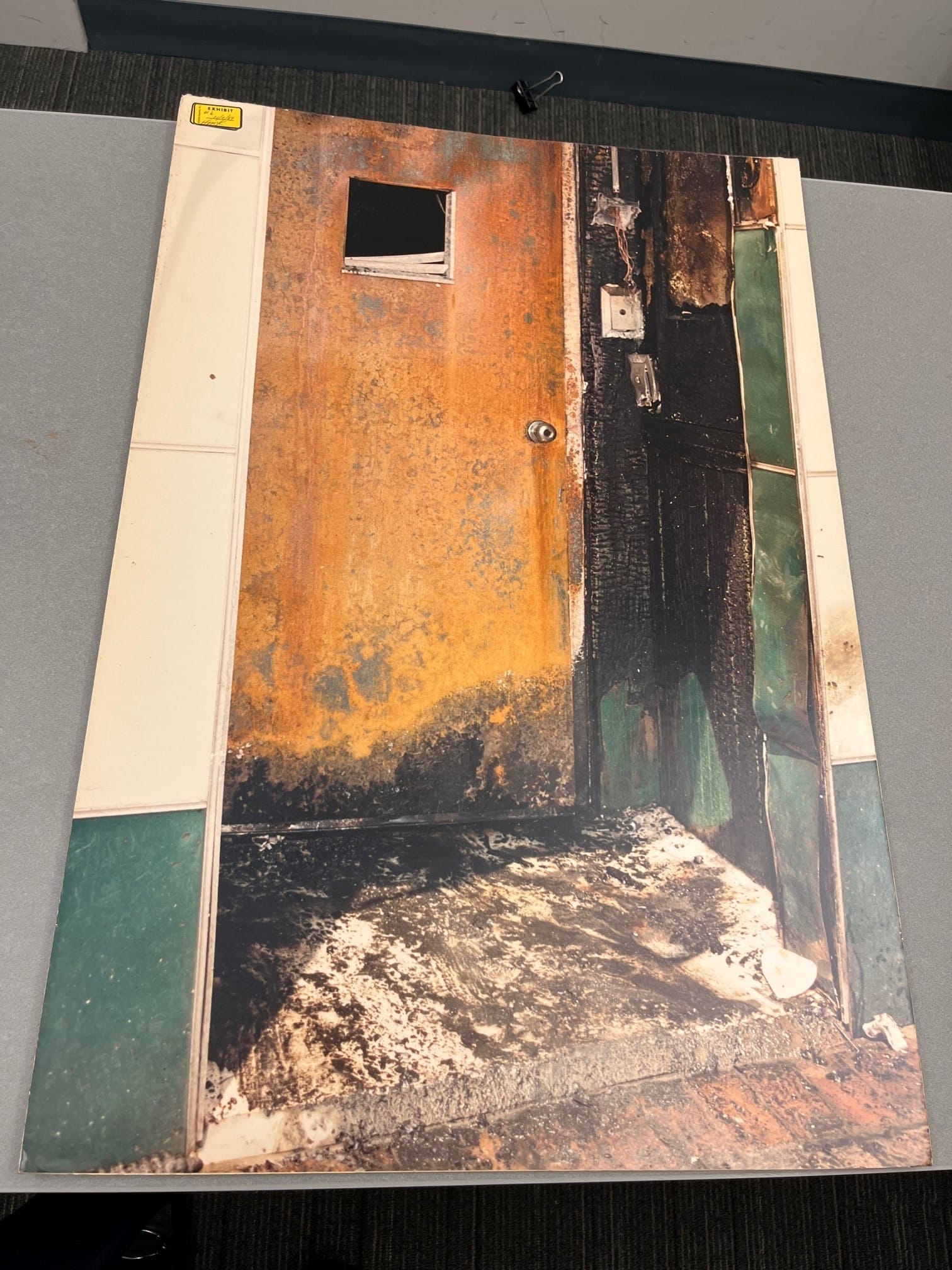
Immediately after the 1984 blaze, investigators examined the charred remains of the Elliott Chambers in search of clues about the fire’s origin and cause. Two investigators concluded that the blaze was deliberately set on a bundle of newspapers a firefighter found in the alcove that contained the door to the rooming house’s stairway.
The first investigator was a state trooper. The second was a deputy chief fire marshal for Nassau County in New York who was brought in to assist state and local officials in Beverly. The latter was the only one of the two to testify at Carver’s trial.
According to Karp’s December 2024 ruling, the now-deceased New York investigator falsely testified that there was physical evidence someone started the Elliott Chambers blaze with a flammable liquid like gasoline. No such proof existed. Karp said the investigator relied on myths about fire that have since been discredited.
The investigator testified that the fire must have started at ground level, where the newspapers were discovered. He said this location was the lowest point of burn and claimed that flames can’t spread downward. He also said that “alligator charring” marks and “swirling smoke” stains left by the fire proved it was started using a flammable liquid—even though lab tests did not detect traces of any such substance on the newspapers or samples taken from the alcove.
But at a hearing in April 2024, these crucial claims were debunked by Craig Beyler, a retired fire-safety engineer who reviewed the case for Carver’s legal team.
Beyler said the investigator’s testimony about “alligator charring” and “swirling smoke” was based on ‘80s-era myths scientists have since rejected. Beyler said the negative lab-test results meant the investigator’s conclusion about the presence of a flammable liquid was “mere speculation.” And the idea that fire cannot travel downward, he explained, was also false.
Beyler said the blaze’s cause cannot be determined based on the available evidence. He said investigators did not collect evidence that rules out electrical causes. However, the engineer said that he was able to rule out the newspaper bundle as the source of the fire. According to him, scientific testing has shown it would have been impossible for the bundle to have generated a flame large enough to have spread to the building.
Beyler said the fire did not start at ground level, but instead began in the overhang of the alcove where the newspapers were found. The damage to the alcove’s walls was limited. But the fire had so significantly damaged the overhang that pieces of the ceiling were missing. He said the damage to the walls and newspapers could have been caused by “drop-down burning,” which is when flaming debris falls from a higher level of a structure to a lower one.
In Massachusetts, a judge “may grant a new trial at any time if it appears that justice may not have been done,” according to the state’s rules of criminal procedure. Lawyers must either present substantial evidence unavailable during the original court case or show that the defendant’s trial lawyer was unusually ineffective.
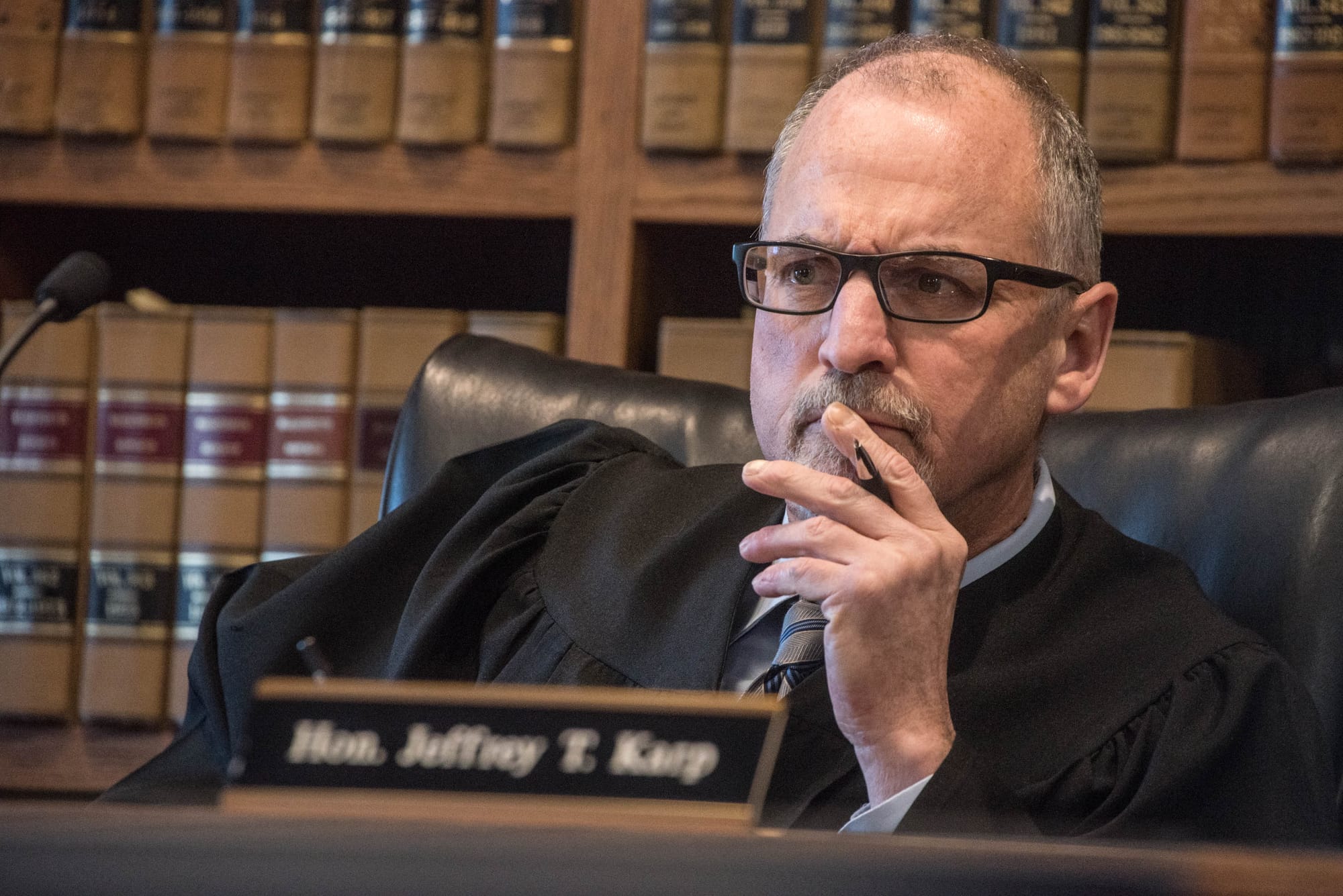
Karp ruled that Beyler’s testimony was newly discovered evidence because it was based on new science. The judge also found the testimony to be credible and significant enough to warrant granting Carver a new trial.
Karp rejected the prosecution’s argument that the case against Carver was airtight even in the face of the new evidence. He wrote that there was a lack of reliable physical evidence tying Carver to the fire or placing him at the scene. However, the judge noted, there was information that contradicted the prosecution’s narrative, including the testimony by Carver’s parents that he was sleeping at home when the fire started.
“At bottom, the evidence against Carver was ‘far from overwhelming,’” Karp wrote.
At the 2024 hearing, the district attorney’s office presented its own expert witness, Michael Mazza, a retired Massachusetts State Police fire investigator who now works for the Massachusetts Department of Fire Services. Mazza was not involved in the original investigation of the Elliott Chambers fire but reviewed the case for prosecutors. Mazza privately billed the district attorney’s office $13,215.33 for his work, according to public records.
Mazza agreed with Beyler that there was no physical evidence a flammable liquid was used. However, Mazza said he nevertheless concluded that the fire was started by burning the newspapers outside the rooming house’s entrance. He said that the newspapers could have been used to start the fire without the aid of a flammable liquid. He said he did not rely on any studies or conduct any tests to support this theory.
Investigative journalism like this takes a ton of time, energy, and care. Before you finish reading, please consider signing up for a paid subscription to The Mass Dump newsletter below, becoming a Patreon supporter, or sending a tip via PayPal or Venmo to make more work like this possible.
“We know they didn’t start the fire”
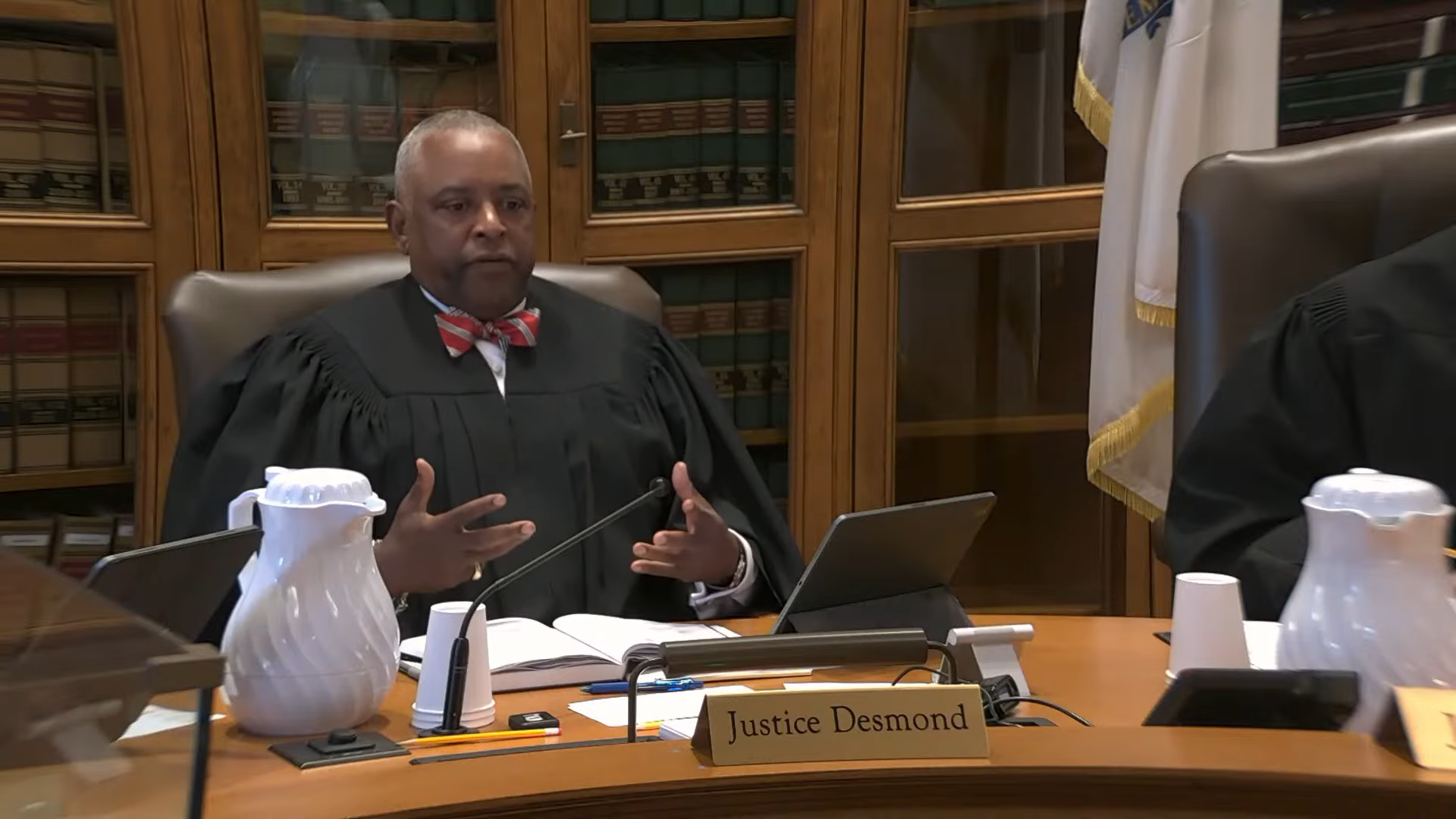
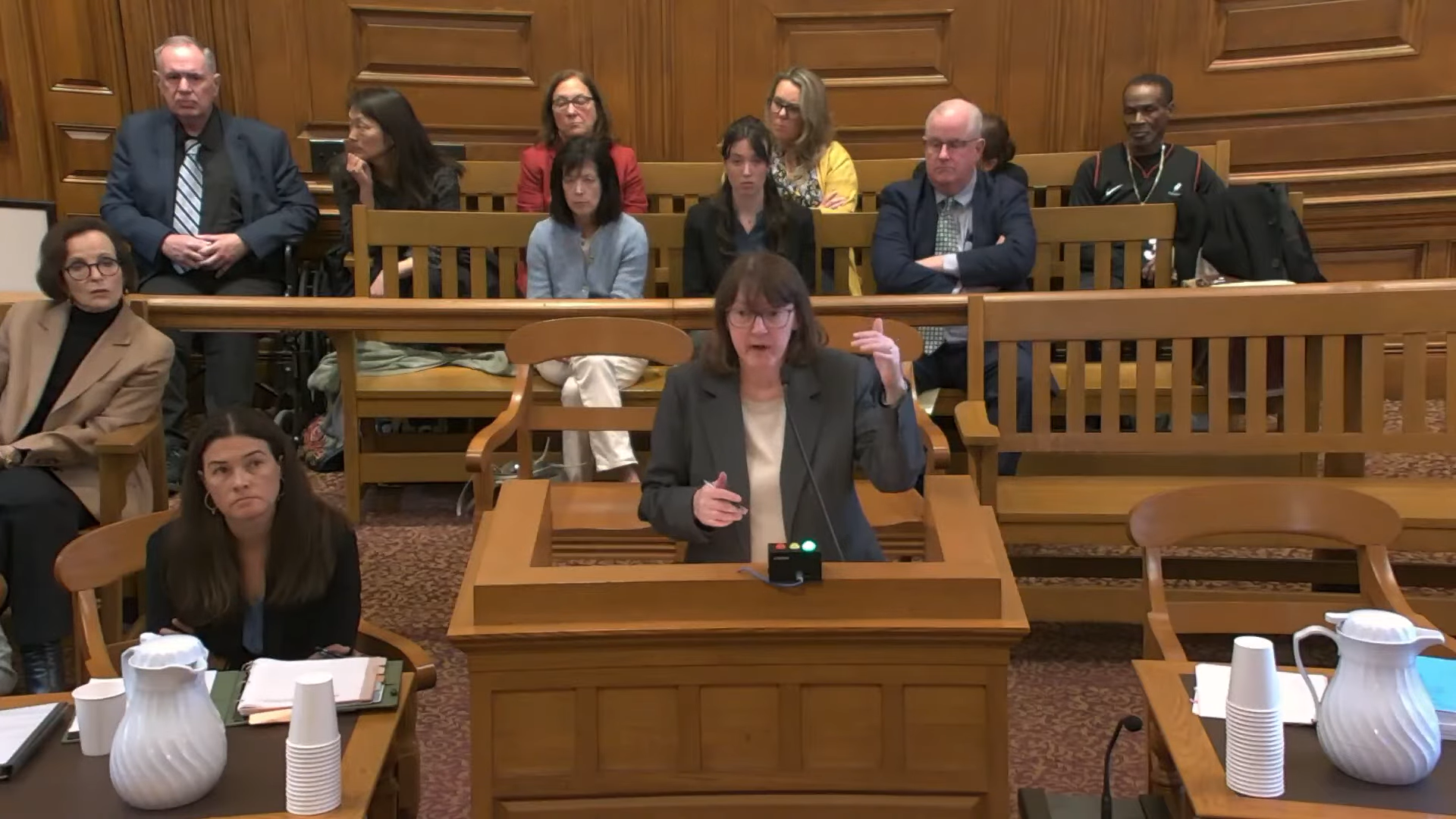
During the oral arguments at the Appeals Court in May, lawyers for Carver and the district attorney’s office debated whether Karp was justified in reaching his determination about the significance of the fire-science evidence. The arguments were heard by Justices Desmond, Kathryn Hand, and Christopher Hodgens. One of the justices, Hand, did not ask any questions.
Semel, the assistant district attorney, addressed the justices first.
“The crux of our claim on appeal is that [Karp] both overstated what was new science and undervalued the other evidence in the case,” she said.
Desmond asked Semel whether the New York investigator who testified at Carver’s trial relied on incorrect principles such as the idea that fire can’t spread downward. She conceded that he did but downplayed the significance, saying he did not rely solely on the lowest point of burn to determine the fire’s origin.
“He didn’t just say that and then go home,” she said. “He looked for drop-down fire. He looked for electrical causes of the fire which were not at floor level, but were wires that were up higher in the doorway. He did consider accidental things like cigarettes and spontaneous combustion and lightning storms.”
She noted that the state trooper who first examined the building called in a state electrical inspector for assistance. The electrical inspector wrote a report saying he checked the alcove, the entrance, the stairway leading up to the second floor, the service and meter equipment, and a fluorescent drugstore sign. The inspector claimed to have found no evidence of electrical malfunctions, but he did not explain how he reached this conclusion other than saying he checked the alcove’s overhead and did not notice any lights or wiring.
Those efforts were slammed by Beyler during the 2024 hearing. Photos show there were loose wires hanging in the alcove after the fire, but the electrical inspector “seemed not to recognize” they were there, according to Beyler.
The New York fire investigator testified that he ruled out the wires as the cause of the fire because they were flexible, saying they would have heated and become brittle if there was an electrical short. But Beyler said that most electrical fires do not cause wires to become brittle.
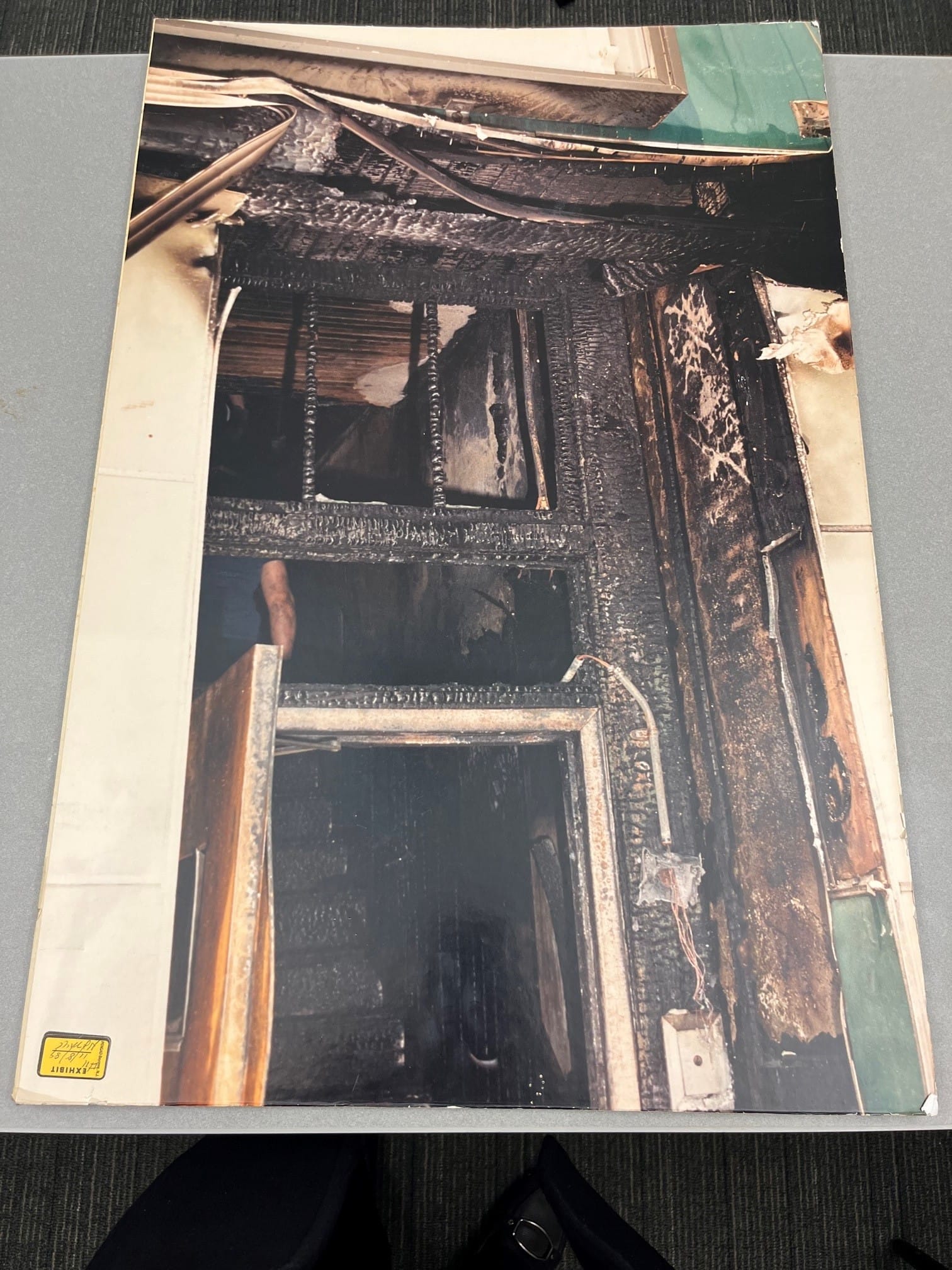
Beyler said that the investigators failed to explain how they ruled out drop-down burning and electrical malfunction, calling their reports “basically summary conclusions” that are not backed up by the quality of evidence required by modern, science-based standards for investigating fires.
Under current standards, Beyler said, investigators are required to thoroughly document their work, which includes writing down everything they did, taking close-up photographs of all electrical devices, collecting the electrical devices, and viewing them under a microscope in a lab. None of that was done in this case, he said. The investigators’ documentation was so sparse, the engineer noted, that it’s unclear whether the building had a circuit breaker or fuse box.
Semel told the justices that Beyler’s testimony about drop-down burning, potential electrical causes, and his conclusion that the newspapers couldn’t have caused the fire weren’t based on new science. Therefore, she said, it was a legal error for Karp to use this testimony as part of his basis for granting Carver a new trial.
But Whitmore, the attorney for Carver, said that it was proper for the judge to consider all the evidence, whether it’s newly discovered or not, because it’s all related.
Semel said it’s unclear whether Carver would have disputed that the fire was arson even if the new scientific evidence had been available during his trial. She said that no one has ever identified a heat source in the alcove’s overhang, where Beyler believes the fire started.
But at the 2024 hearing, Belyer testified that it was likely there was an overhead light in the alcove since this is a common feature of buildings to help people see their keys at night. He said there’s no documentation showing that investigators searched the debris on the ground for the remains of an overhead light or asked the building owner or surviving residents about the possibility of one. And it would be unscientific to rule out the possibility that an electrical device in the overhang caused the fire based on the lack of information about one, he said, because a “lack of evidence is not evidence.”
Semel said that the evidence showed someone moved the newspaper bundle to the alcove shortly before the fire, which provided “some physical evidence in support of an arson.”
A delivery driver testified that he dropped off the newspapers outside the entrance of the drugstore on the first floor of the Elliott Chambers building, but a firefighter testified that he found the bundle outside the rooming house’s entrance during the blaze.
However, Whitmore said that if the case were tried again today, jurors would hear Beyler’s testimony that the newspapers could not have been the source of the fire.
“They do not matter,” Whitmore said. “They are not relevant to this case now, because we know they didn’t start the fire.”
“This science is evolving”
One of the justices, Hodgens, was openly skeptical of the decision to overturn Carver’s convictions.
According to Hodgens’ biography on Mass.gov, the justice worked as a prosecutor for the Worcester County District Attorney’s Office before former Republican Governor Charlie Baker appointed him to the Appeals Court in December 2022. While working for the district attorney’s office, Hodgens was the appeals division chief from 2002 to 2007, a trial attorney in the Superior Court from 2007 to 2022, and the litigation integrity division chief from 2018 to 2022, the site says.
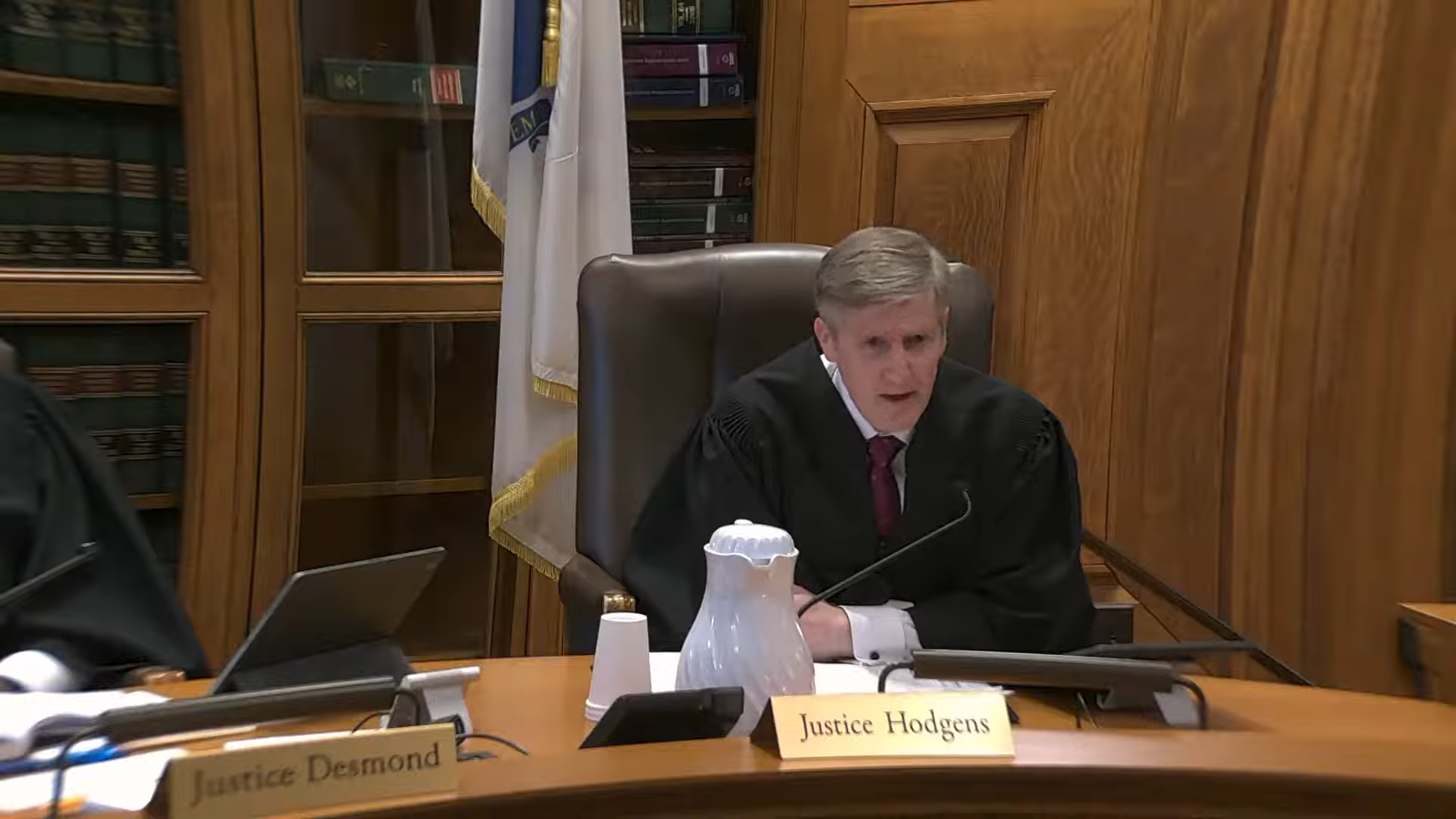
Hodgens pointed out that Carver’s trial lawyer didn’t dispute that the fire was arson.
“So how would fire science have played any factor back in 1989 if the cause and origin of the fire was really not an issue at all?” he asked.
Whitmore said that challenging the cause of the fire wasn’t an available defense at the time because of the state of the science.
Hodgens said that granting Carver a new trial because he now has a new defense was “inconsistent” with precedent, citing a Massachusetts Supreme Judicial Court (SJC) ruling from 1997.
“Oh, now I’m going to rely on new science,” Hodgens said. “The mere fact that it’s redone and I’m going to change my theory of defense, that’s not enough for a new trial. At least the SJC tells us that.”
But Whitmore said that in more recent cases, the SJC found that it’s appropriate for judges to consider how defense strategy would have changed if newly discovered evidence had been available.
To make her point, she used a hypothetical, saying that a person accused of a rape they did not commit might have argued at trial that the victim consented because it was the only defense they could mount. But once DNA testing became available, the defendant would be able to use it to show they weren’t the perpetrator.
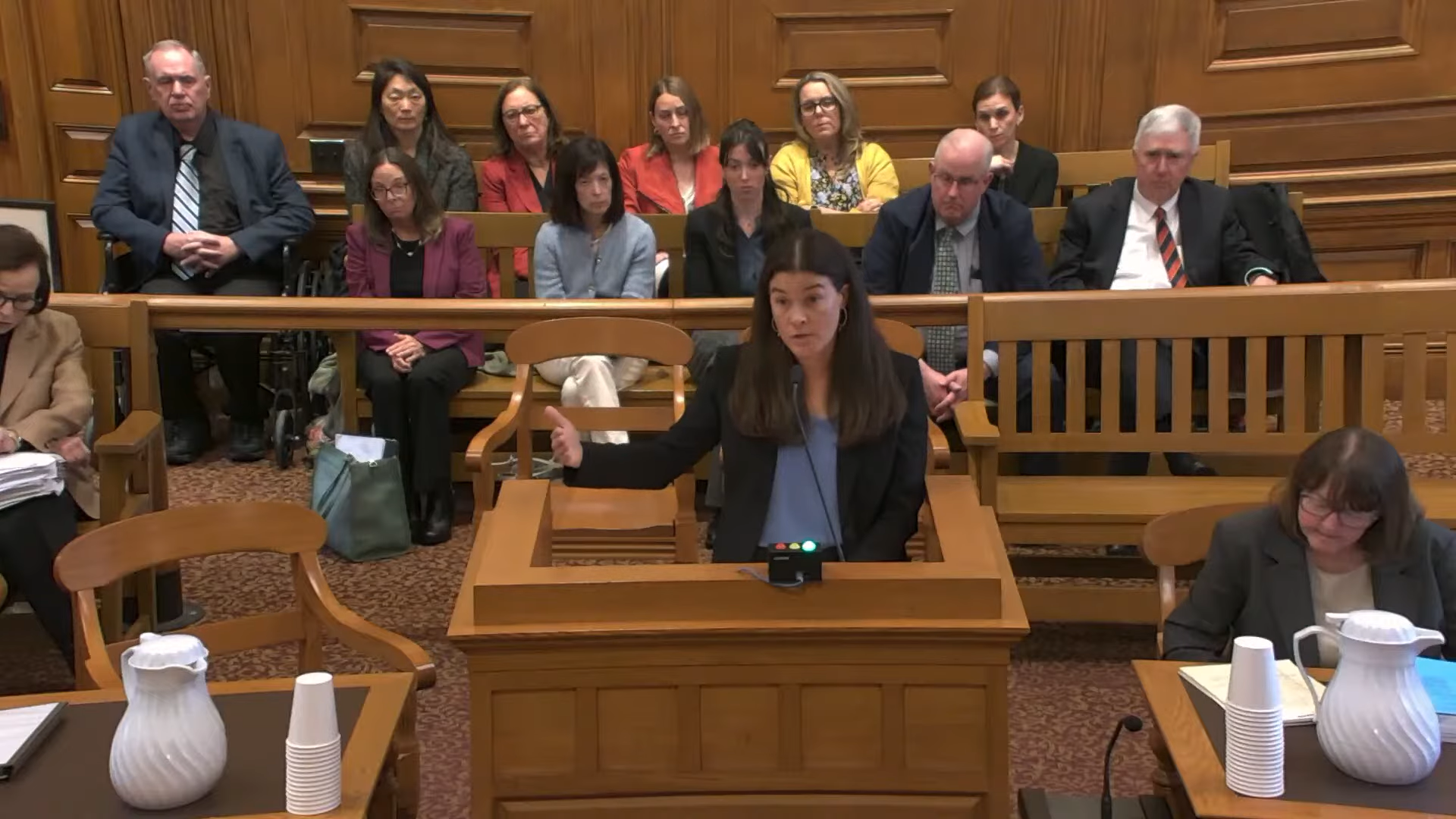
Hodgens said his understanding was that the new scientific principles cited by Carver’s defense first became available in 1992. That’s the year the first edition of NFPA 921, the National Fire Protection Association’s manual for investigating fires, was published. Hodgens asked whether Carver had waived his right to raise the fire-science defense by not doing so years ago in a prior motion for a new trial.
Semel said she conceded that some of the science was new and did not argue in her brief that the issue was waived. However, she said it was “a reasonable view.”
Whitmore said that while NFPA 921 was first published in 1992, there have been many more editions since “in which the science has continued to change.” She noted that one of the concepts cited by Carver’s defense—the idea that it’s unscientific for investigators to conclude a fire must have been arson if they are unable to locate an accidental cause—wasn’t included in NFPA 921 until 2011.
“This science is evolving, like all the other science that this court grapples with,” Whitmore said. “Shaken-baby syndrome, DNA, fire science, eyewitness-ID science—these are changing the way we look at cases. … We can’t rely on inaccurate science to hamper a defendant into a defense that was the only option he had in 1989.”
At one point, Hodgens asked Whitmore whether Karp had “consider[ed] the prejudice to the Commonwealth” when he overturned Carver’s convictions.
“Where 40 years has gone by, a lot of witnesses are dead,” Hodgens said. “You’re not going to have live testimony in a retrial. Did the judge give that any consideration at all?”
Whitmore said that isn’t part of the legal standard governing whether a defendant is entitled to a new trial.
Desmond chimed in, asking, “Is it proper for the court to consider whether or not the government’s case may have deteriorated over time?”
Whitmore said it was not.
“Not a video camera”
In Karp’s ruling overturning Carver’s convictions, the judge also focused on testimony by a cab driver who claimed he had seen Carver outside the Elliott Chambers Rooming House shortly before the fire. The judge said the witness was not reliable, citing April 2024 testimony by retired Stony Brook University psychology professor Nancy Franklin, an eyewitness-memory expert who reviewed the case for Carver’s legal team.
“The most fundamental thing to know about human memory is that it’s not a video camera,” Franklin testified.
Franklin explained that it’s common for people to make mistakes when trying to identify strangers. Identification procedures conducted even one week after someone observes a stranger are extremely unreliable, she said. Law enforcement did not show the cab driver a photo array with Carver’s picture for seven weeks.
Investigators then showed the witness the same array two more times before showing him an in-person lineup. Franklin said the repeated identification procedures were problematic because of what researchers call the “mugshot-exposure effect.” When witnesses are shown the same person’s face multiple times, she said, they develop a sense of familiarity that can cause them to confidently, but incorrectly, select that person.
Most strikingly, the cab driver picked Carver from the first photo array after selecting someone else who was not a suspect. Franklin said this was a tell-tale sign the witness’s testimony was unreliable.
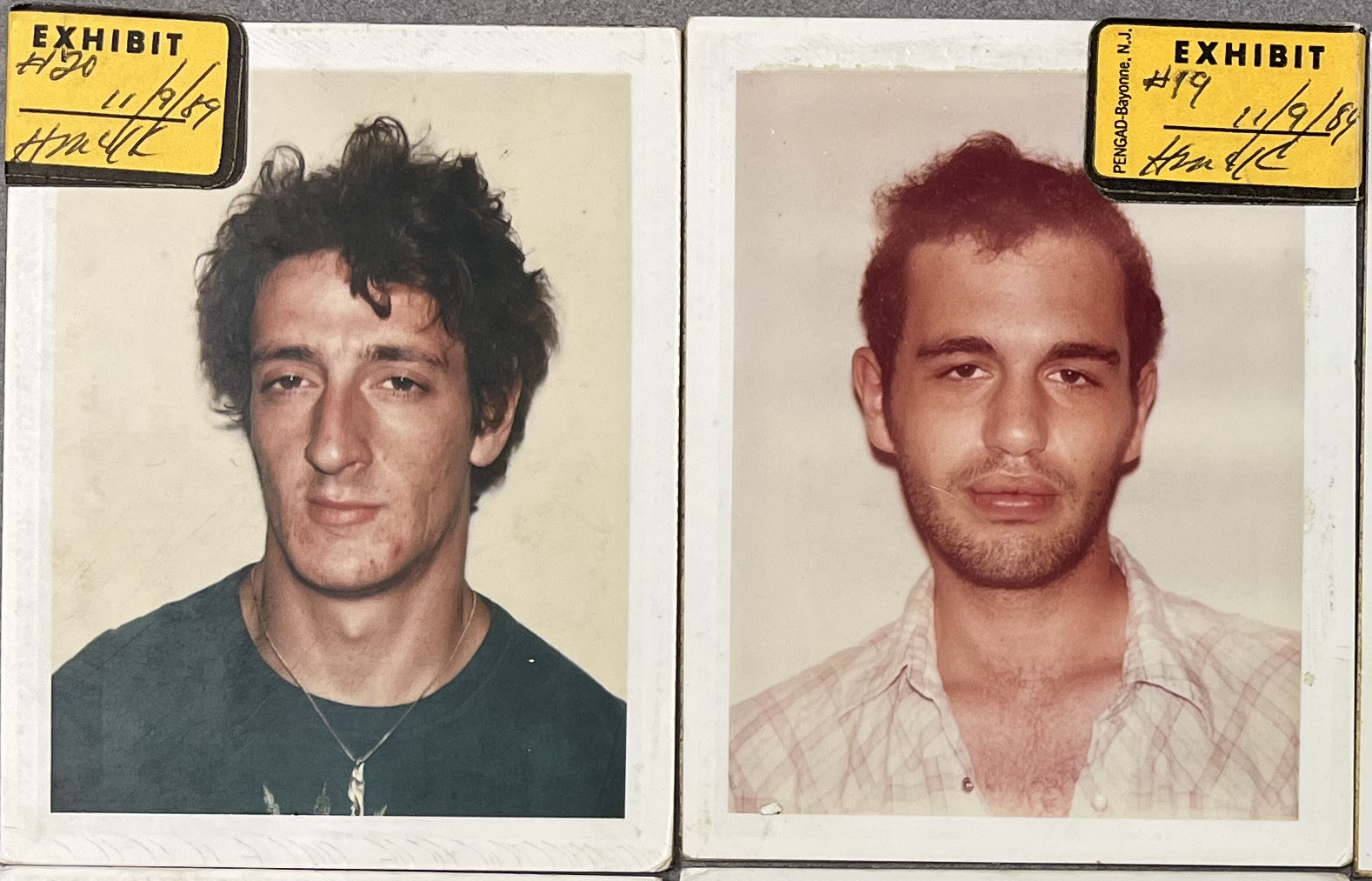
Karp wrote that if the case were tried today, Carver would be able to present an expert witness like Franklin, who could inform the jury about the problems with the cab driver’s account.
At the oral arguments, Semel said that while it was permissible for Karp to consider Franklin’s testimony about factors that impact the reliability of eyewitness testimony, it was wrong for the judge to consider Franklin’s opinion that the cab driver’s testimony was unreliable.
“I was greatly troubled when [Karp] repeatedly referred to … Dr. Franklin’s conclusions regarding [the cab driver’s] unreliability,” Semel said. “That’s just not proper. And there’s a SJC case directly on point with this same witness that that is not proper testimony.”
Whitmore did not have the opportunity to address the eyewitness-testimony issue during the oral arguments. But in a brief filed with the Appeals Court before the arguments, Carver’s lawyers said the Essex County District Attorney’s Office “does not dispute that there have been advances in eyewitness identification science since 1989 that constitute newly discovered evidence.”
Franklin’s testimony, they argued, would provide a scientific basis for jurors to conclude that the only witness who placed Carver at the scene of the fire was unreliable even if he believed what he said was true.
“The defendant may still be found guilty”
The district attorney’s office argued in its Appeals Court brief that “Carver’s own words” are some of the most compelling evidence that the fire was arson, citing statements that others attributed to him during the trial. These include a threat he allegedly made hours before the blaze and a confession he allegedly made a few months afterward.
But Carver’s lawyers argued that the details of the alleged confession are at odds with the physical evidence of how the fire started.
One of the victims of the fire was Rick Nickerson, whom prosecutors allege Carver threatened the night before the blaze. That night, the two young men spoke outside the pizza place where Carver worked and the neighboring pool hall that employed Nickerson. Three witnesses testified that they heard Carver threaten Nickerson for dating his ex-fiancée, but they all gave different accounts of what he said. Two of the witnesses did not tell police about the alleged threat until years after the fire.
According to one of the witnesses, Nickerson was on a date with a different young woman the night before the fire. The young woman, who did not testify, told investigators she was present when Carver spoke with Nickerson but did not hear what he said, according to police records. She also reportedly said that Nickerson never mentioned the alleged threat to her.
The prosecution’s key trial witness was a former friend of Carver who testified that he tearfully confessed after inviting her to his home in October 1984. According to the witness, Carver said he had wanted to scare his ex and Nickerson, so he set a fire by pouring gasoline on newspapers and igniting them with a match. The witness said Carver never specified what fire he was talking about, but she believed his comments to be about the Elliott Chambers.
The witness testified that Carver said he followed his ex and Nickerson home before setting the fire, but did not specify whose home it was or where it was located. However, this story was contradicted by Carver’s ex, who testified that she wasn’t with Nickerson the night before the fire and didn’t know where he lived.
The witness acknowledged that she didn’t tell police about the alleged confession until investigators called her in March 1987, after she had moved to New York.
Karp said in his ruling that the “credibility and the accuracy of [the witness’s] memory suffered from her two-year delay in disclosing the admission to the police and the absence of evidence that any of the several people she told about the admission shortly after hearing it, including a Beverly firefighter, considered it serious enough to report to the authorities.”
During the Appeals Court arguments, Whitmore said the trial prosecutor relied on the New York investigator’s false testimony that a flammable liquid must have been used to start the fire to corroborate the alleged confession. She said Beyler’s testimony that the newspapers could not have been used to start the fire “impacts the credibility of [the witness’s] testimony.”
Semel said that the impact to the witness’s testimony was “minimal” because it’s still possible that a flammable liquid was used.
“It’s just that you can’t affirmatively say it was,” she said.
Hodgens said the incriminating statements that Carver allegedly made were “extraordinary statements.”
“It seemed to me that [Karp] did not give any weight to the defendant’s statements,” Hodgens said. “Is that fair?”
Whitmore said that Karp went through each of the alleged incriminating statements in his ruling and explained how their significance was affected by the new fire science and how the defense originally attacked them at trial.
She said that the legal standard for whether Carver is entitled to a new trial is not whether he could potentially be convicted at another trial.
“[The] standard is whether the new fire science and the new [eyewitness-identification] science would have factored into the jury’s deliberations,” she said.
“With a new trial, the defendant may still be found guilty,” Desmond said. “It’s not whether or not he’s going to be found guilty or not, right?”
“Correct, your honor,” Whitmore said.
Desmond ended the arguments on a somber note.
“Tragic case all the way around,” he said.
“He’s more confident”
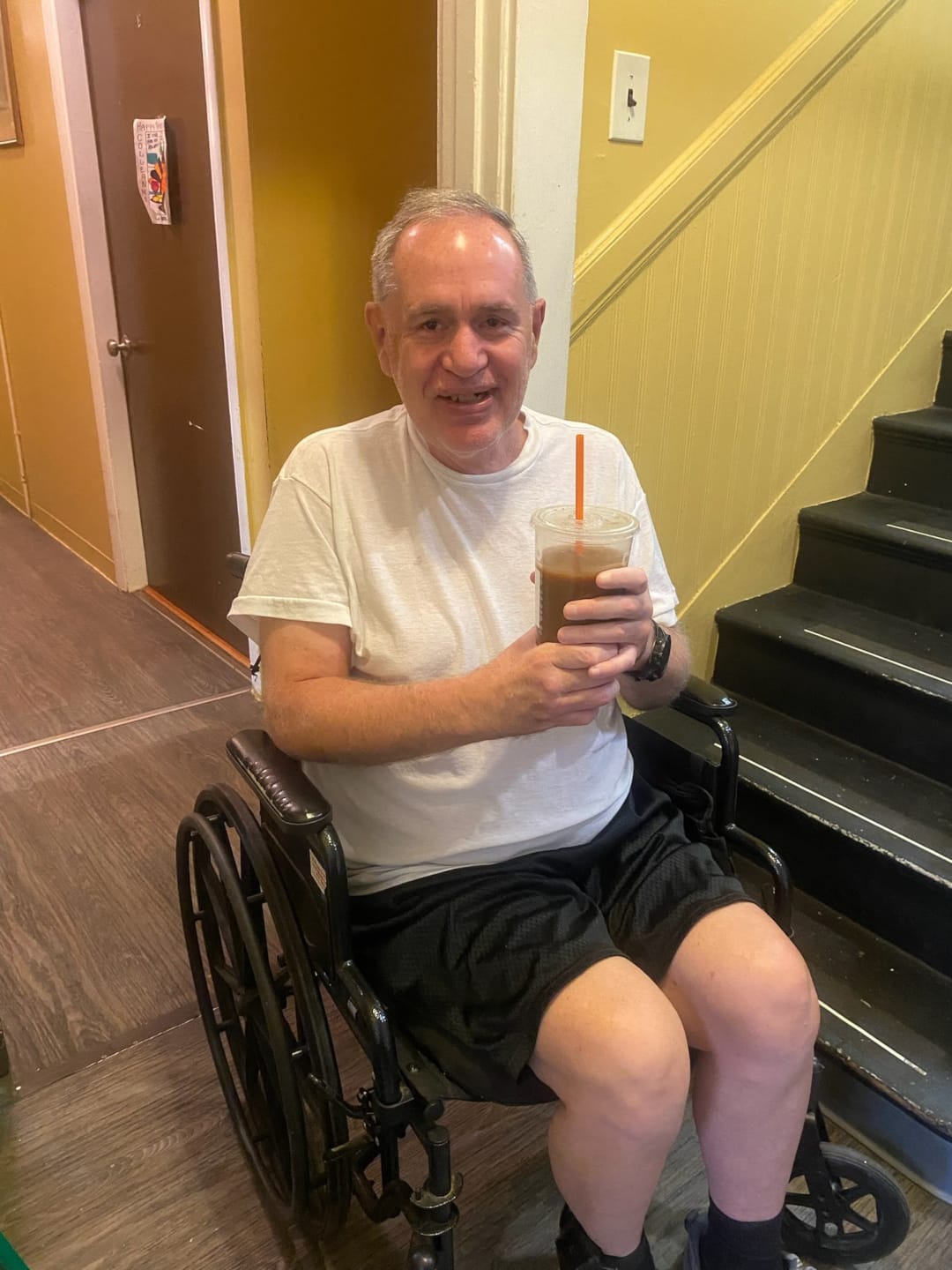
Despite opposition from the district attorney’s office, Karp released Carver without bail after a hearing in February 2025. Since then, he’s been living at the residential-care home, where the staff help him with his medications and meals. He said he still finds some things difficult—being in large stores, for example. But he’s been adjusting to his new life.
He said he leaves the home nearly every day, unless rain or snow prevents him.
“It’s nice to be able to, on a nice night, just sit outside and just listen to the quiet,” he said. “Of course, I’m deaf anyway, so everything is quiet.”
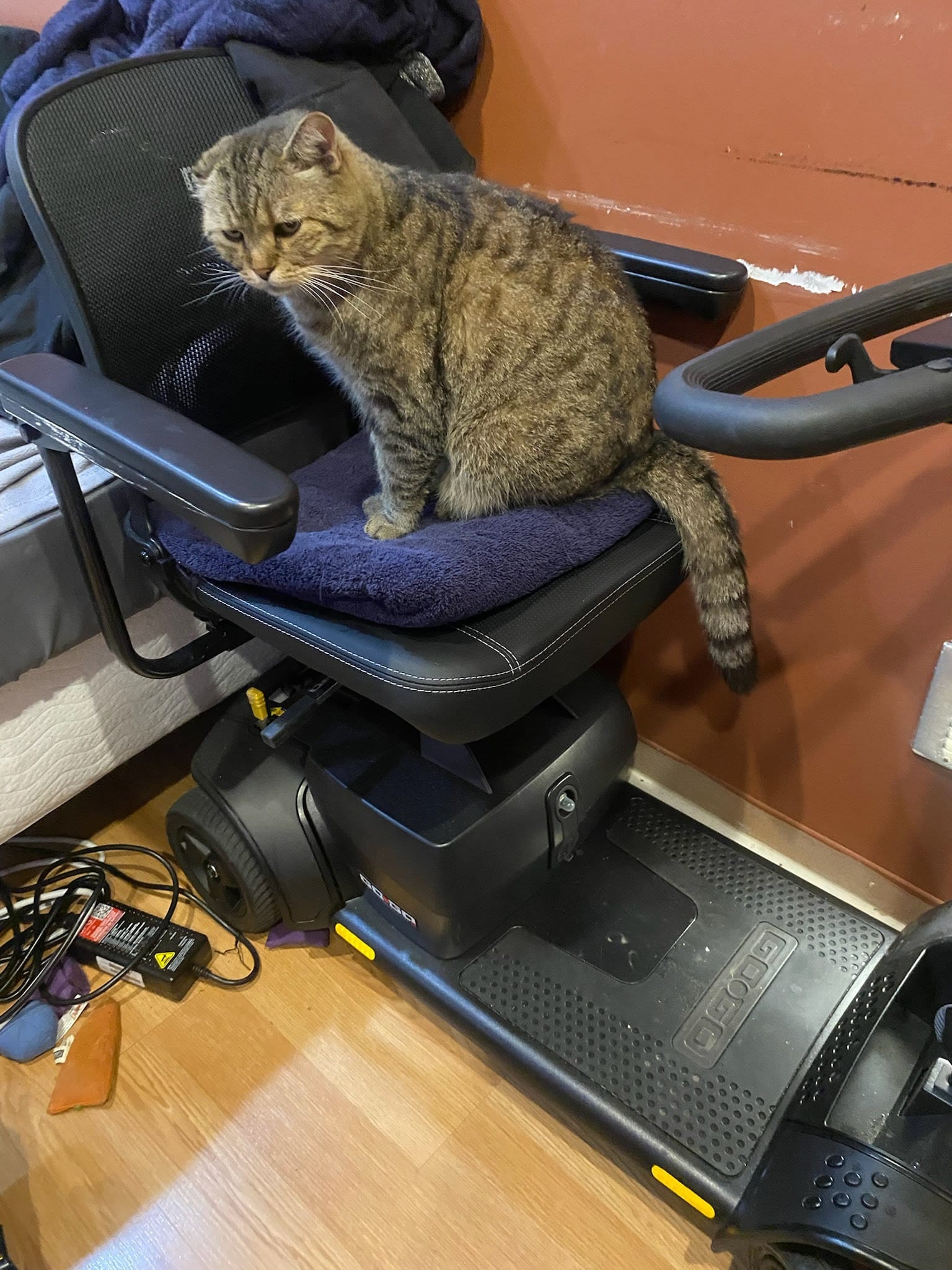
Carver said he’s bonded with two cats who live at the home and takes care of them. He said he keeps the cats’ food dishes in his room and has a shoelace hanging from his doorknob for them to play with.
“It’s nice to have animals around,” he said. “It keeps you calm and relaxed.”
He’s watched a lot of sports, American Ninja Warrior, America’s Got Talent—and an old favorite, the 1974 version of Little House on the Prairie starring Michael Landon.
Once a week, he speaks with a therapist to help him with the trauma he experienced from being incarcerated.
“I wasn’t going to lie to myself and say I didn’t need it anymore [after leaving prison],” he said.
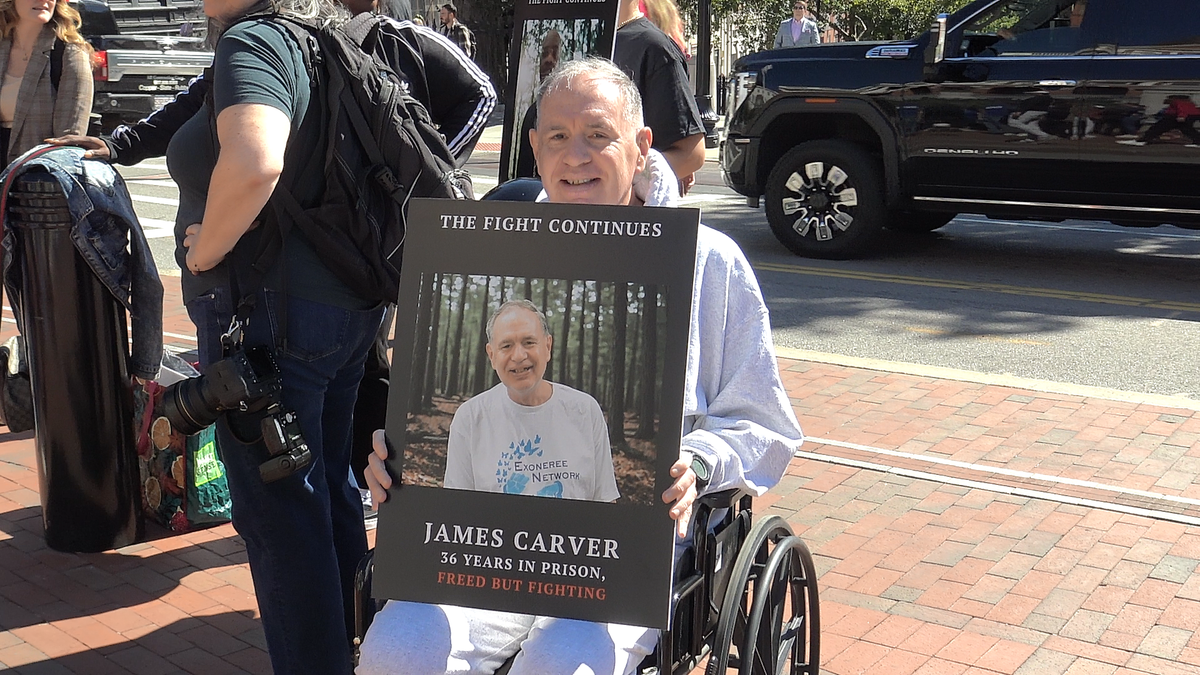
He’s attended events related to wrongful convictions, including a Wrongful Conviction Day protest on October 1 in Boston during which he held up a sign with his photo. And on October 15 he testified at the Massachusetts State House in favor of a bill to update the state’s medical-parole law.
Kristin Dame, director of private social work services for CPCS, said she began working with Carver a few years before he was released from prison. She helped figure out his living arrangements, get him an ID and access to services and medical providers, and took him to his appointments for several months. She said he’s grown more independent, and she now only sees him once every four to six weeks.
“He’s more confident,” she said. “He knows how to use his phone, knows how to use the computer, knows how to schedule his [transportation], knows how to contact his providers if he needs to. So those are all huge changes, and I think that gives him a sense of autonomy.”
Not long after Carver was released, an old friend from prison visited him at the home. The friend asked Carver to come outside and help him with something—and then presented him with an electric scooter.
Carver said he got a lot of use out of it until the motor stopped working. But he was provided with another scooter by the Exoneree Network, a group that supports people whose convictions have been overturned in Massachusetts.
In March 2025, Dame and one of Carver’s attorneys took him to lunch at a Legal Seafood. They also brought the man who used to cut Carver’s hair in prison.
“I said, Hey, I know that guy,” Carver recalled.
Now, the old friend visits Carver at the rest home once a month to cut his hair in the free world.
Carver was also visited by Raymond Gaines, who was working as a peer outreach specialist for the Exoneree Network.
Gaines spent 46 years in prison after a jury found him guilty of a 1974 Boston murder that he says he did not commit. But a judge overturned his conviction in 2022, finding that prosecutors presented the jury with unreliable eyewitness testimony. After the Massachusetts Supreme Judicial Court upheld the judge’s decision, Suffolk County prosecutors dropped the murder charge in October.
To Carver’s surprise, Gaines appeared for the Appeals Court arguments in May in a show of support. There, Gaines heard Whitmore cite the SJC’s decision about his case as precedent that benefits Carver.
“I never get over the feeling of excitement … every time my name is mentioned,” Gaines said. “I went through something that so many other people can benefit from. … I’m glad that it’s making a difference.”
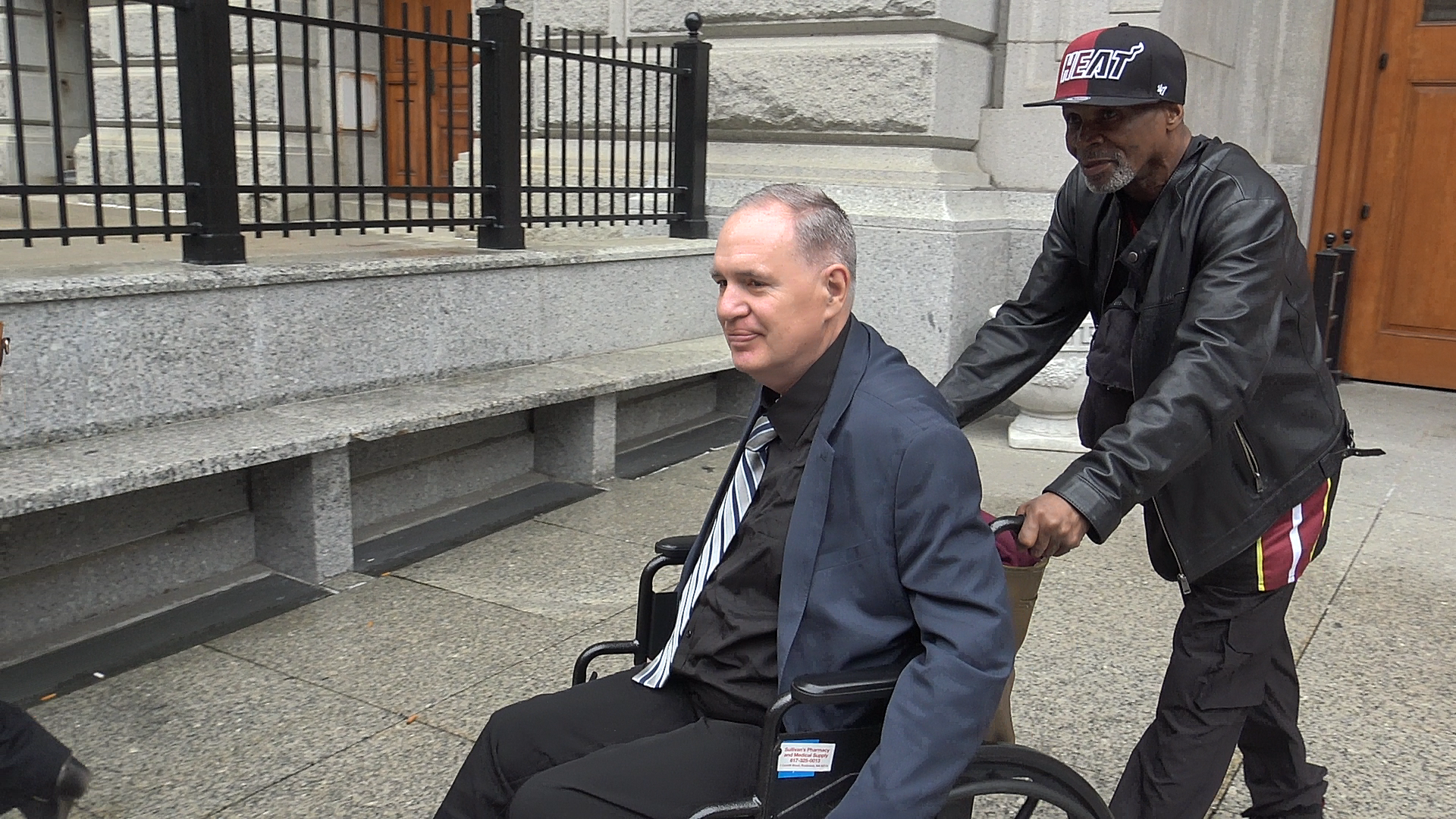
Carver and Gaines hugged after the arguments. Then Gaines wheeled Carver to a nearby pub, where Dame bought them lunch.
Carver said that speaking with exonerees like Gaines and hearing that they’ve had a hard time adjusting to life outside prison has helped him.
“I want to make sure that I’m not alone and that what I’m experiencing is normal,” he said.
“I felt like I was home again”
Carver spent Thanksgiving with his daughter, Kaitlyn Verzi, at her home in New Hampshire. It was the first time he had ever eaten a Thanksgiving meal with her.
“It was awesome,” he said. “To be with my daughter on Thanksgiving, and for my mother and father and [older] brother to look down from heaven and see that we’re together again was what I was thinking about.”
During a brief hearing in November, Karp temporarily modified the conditions of Carver’s release to allow him to visit his daughter for Thanksgiving and Christmas. The district attorney’s office did not take a position on Carver being allowed to visit his family for the holidays.
At Thanksgiving, Carver was surprised by two of his cousins he hadn’t seen since before he was incarcerated. He also saw his ex-wife, Maryjane Dempsey, and her partner.
“He is doing remarkably well for someone that endured such trauma,” Dempsey said.
He spent time in the backyard with his three grandsons while they rode on their dirtbikes. His daughter snapped a picture of him right before he started to tear up. She asked whether he was okay. He told her that this was what he had always wanted and he couldn’t believe it was real.
“I was happy,” he said. “I felt free. … And I felt like I was home again.”
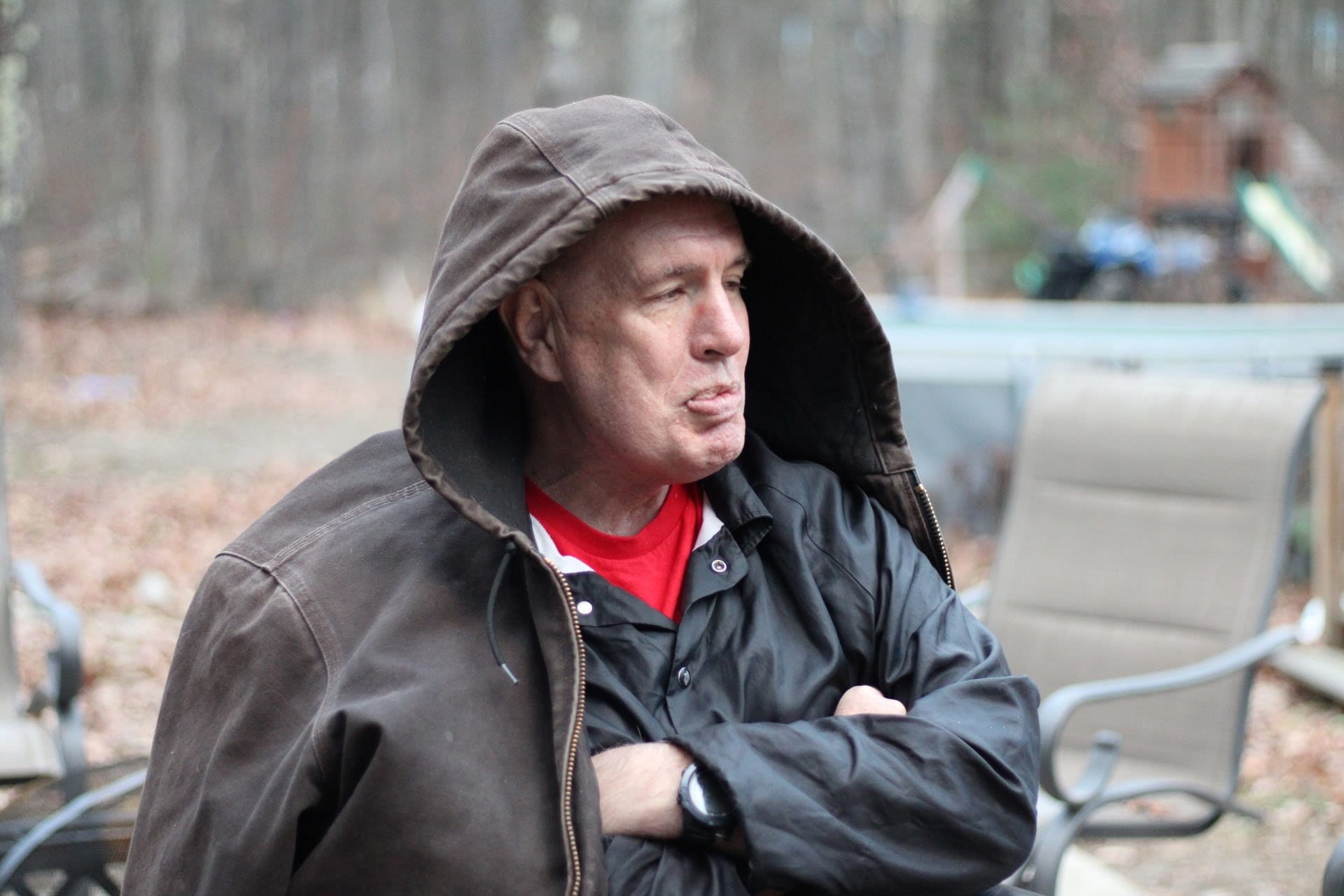
Verzi said it was surreal being with her father on Thanksgiving.
“It’s something that I’ve always dreamed about and never thought would actually happen,” she said. “And then here he was, finally sitting in my house.”
For dinner, Carver ate cranberry sauce, stuffing—and turkey prepared by his son-in-law.
“Oh, my God, I’ve never had a turkey that moist,” he said.
As Christmas approached, Carver asked his daughter what he should wear. Pajamas, she told him.
“He thought I was joking,” Verzi said. “So when he came wearing his pajamas, he’s like, Oh, my God, I thought you were pranking me. But we’re all standing there in our pajamas.”
Even two of Verzi’s three dogs were dressed in PJs.
Carver opened gifts from his daughter, including glass bottles of sarsaparilla, self-warming gloves, a Fidget Cube, a leather wristband symbolizing their connection, and a printed message that said in part: “I will always BE YOUR LITTLE GIRL[.] And you will always be my GREATEST HERO.”
Carver had been worried because he couldn’t afford to buy presents for his family, but Verzi had assured him it wasn’t a problem.
“It’s not about presents, it’s about your presence,” Verzi recalled telling him. “I was just like, This is the one thing that I have always wanted. Every Christmas list, you were the first thing.”
Carver watched his three grandsons open their presents, and then he helped the youngest build a model train set. Together, they constructed a huge track that encircled the wall dividing the living room and kitchen. He also played Nintendo Switch with his middle grandson.
Verzi said it felt good watching her father experience the kind of moments that they had missed out on while she was growing up.
“It was like I was always at that house,” Carver said. “That’s how it felt. It felt so comfortable.”
“I always will love him”
There was one notable absence during the festivities: Carver’s younger brother, Bill Carver, who was hospitalized shortly before Thanksgiving.
In February 2025, Bill traveled from Michigan to Massachusetts to attend his brother’s bail hearing. He cried when Karp allowed James Carver’s motion to be released from prison. That day, Bill drove Carver to the residential-care home after a detour to Danvers, where the brothers grew up. The following day, he brought Carver to the cemetery where their parents and older brother were buried. That visit ended up being the last time they saw each other in person.
Bill said before the bail hearing that he had been diagnosed with stage-four kidney cancer. However, his doctor told him in December 2024 that it was in remission, he said.
But Verzi said that in November, Bill wasn’t responding to her. She asked one of his friends to check on him. The friend found Bill unconscious in his home. He was taken to a hospital and put on a ventilator and feeding tube. Doctors determined that his cancer had spread to his lungs and liver.
He made the decision to stop treating his cancer and transition to palliative care. He was eventually moved to a rehab facility and then discharged. But he missed the holidays.
While Bill was in the hospital, Verzi and her eldest son flew to Michigan to visit him. Carver wanted to go too. But between his disabilities, medical needs, and prohibition on leaving the state, it wasn’t realistic.
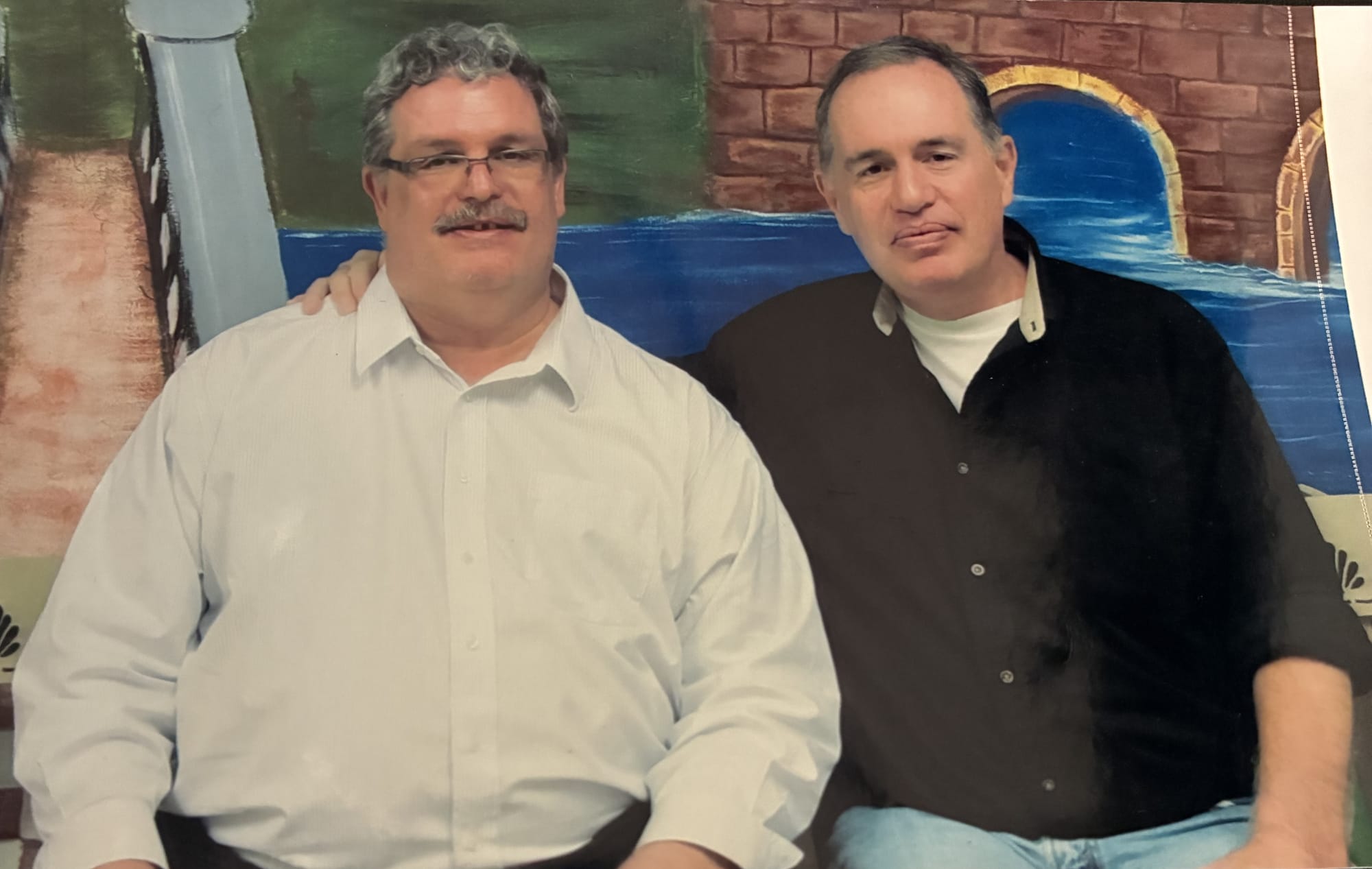
Bill was taken to the hospital again in March. He was having difficulty speaking, but he told Carver during a call that he probably wouldn’t ever see him again.
“My uncle was, I think, very aware that he was going to pass away before we knew,” Verzi said.
Verzi said Carver had a hard time accepting that Bill was dying. Verzi, who was her uncle’s healthcare proxy, said she had to explain to her father that trying to extend Bill’s life would only prolong his suffering.
“I don’t really sugarcoat things, because I feel like it makes it hurt worse in the end,” she said. “And I think that comes with … my upbringing, with my dad being in prison.”
On May 8 at around 5 AM, Carver learned from his daughter that Bill had passed away earlier that morning.
“I fell apart,” he said. “It was hard to get through that day.”
He said he went on his daily trip to Dunkin’ and broke down once he got inside.
“I loved him,” Carver said. “I always will love him. He’s been the best brother I could have.”
Carver said he was looking forward to visiting Bill in Michigan so they could spend time together going to museums, the zoo, and the Grand Prix.
“That’s not going to happen,” he said. “I’m just going to have to do it maybe on my own someday and know that my angel’s with me.”
Bill’s church held a funeral service for him in July. Verzi had intended to drive out to Michigan to attend it, but car trouble prevented her from making the trip. Instead, she and her sons watched a livestream on their TV at home. Meanwhile, her father watched it on his computer at the residential-care home.
“Lord God, we thank you for the life of our brother, Bill Carver, as we commend his life to you,” the priest said. “It was filled with many blessings and much outreach to those who were in need throughout his life. And now, Lord, you have reached out to him and called him to his eternal home.”
Bill’s friends from the church buried his ashes at a cemetery the following day.
“I just wish I got to see him one more time,” James Carver said. “That’s the hard part.”
“I just want to live a normal life”
Since the holidays, Carver has had a few more opportunities to visit his family.
He attended his ex-wife’s birthday party in Gloucester in July, spending time with her and Verzi’s family by the Annisquam River. He also made a few more trips to Verzi’s home in New Hampshire with permission from Karp.
In a June 10 motion, Carver’s lawyers asked Karp to remove his GPS monitor and allow him to travel to New Hampshire with 48 hours notice to his probation officer instead of having to go to court.
The lawyers said that Carver had complied with the conditions of his release for 16 months and that GPS tracking was “no longer necessary to ensure his compliance or protect public safety.” Carver poses no flight risk, they argued, pointing to his inability to walk and other disabilities and medical conditions. They noted that Carver takes about 30 medications and his health insurance only covers care in Massachusetts.
The possibility that Carver could unintentionally violate his conditions of release if the battery in his GPS monitor were to die was a “source of constant stress,” they explained. They pointed to an incident during which the device malfunctioned and Dame, the social worker, had to take him to a police department with only a few hours’ notice.
They also described an incident in February, when Carver was hospitalized with COVID and did not have access to his GPS monitor’s charging cable. Dame had to retrieve the cable and bring it to him in the hospital, they said.
Semel, the prosecutor, said in a June 18 response that the district attorney’s office opposed the “extraordinary measure” of removing Carver’s GPS monitor. According to Semel, the fact that Carver had complied with the conditions of his release with GPS monitoring did not prove that he would follow them without it.
“It is also the defendant’s responsibility to ensure he has his charging apparatus with him,” Semel said.
Karp denied the requests to remove the GPS monitor and allow Carver to travel to New Hampshire without court approval. However, the judge allowed Carver to visit in June to attend a party celebrating the birthdays of his youngest and eldest grandsons and the eldest finishing middle school.
On July 13, Carver’s lawyers filed another motion asking Karp to allow Carver to travel to New Hampshire on five more dates this year, including next Thanksgiving and Christmas. Semel said the district attorney’s office did not oppose the holiday visits but was against the other three.
“Out-of-state travel in these circumstances should be the exception, not the norm,” Semel said in a July 16 response.
Karp ruled that same day that Carver could go to New Hampshire on all five dates.
As a result, Carver was able to visit Verzi in August and September. He said he’s loved spending time with his daughter, but there’s been a strangeness to it.
“When I talk to her on the phone, she still seems like a little girl to me,” Carver said. “But then I see her, and I’m like, Oh, my daughter’s grown up. … There’s a void there. It’s all missing. I missed so much.”
As the months have gone by, Carver and his family have waited for the Appeals Court to issue its decision.
“I’m not really anxious, I guess, because I do have a lot of faith and trust that everything will be okay,” Verzi said. “I’ve just learned over time … that whatever’s going to happen is going to happen regardless of how I feel or what I want.”
After the legal process is over, Verzi said, she wants to take her father on a family trip to somewhere like Niagara Falls—something they were never able to do together while she was growing up.
Carver said that his ultimate goal is to be compensated for the time he spent in prison. He said he wants to pay off his daughter’s mortgage, get a place for himself, “and not have to worry about curfews and all that kind of stuff.”
“I just want to live a normal life,” he said.
Thanks for reading! As always, if you’d like to keep The Mass Dump running, please consider becoming a financial supporter either by signing up for a paid subscription to this newsletter below, becoming a Patreon supporter, or sending a tip via PayPal or Venmo. I rely on your support to keep doing this work, and a monthly subscription is just $5!
Even if you can’t afford a paid sub, please sign up for a free one to get updates about this story, and please share this article on social media.
You can follow me on Bluesky and Mastodon. You can email me at aquemere0@gmail.com.
That’s all for now.