Essex County DA Fights to Send James Carver Back to Prison in Elliott Chambers Fire Case
A judge threw out James Carver’s murder convictions due to new scientific evidence—prosecutors say the ruling should be reversed
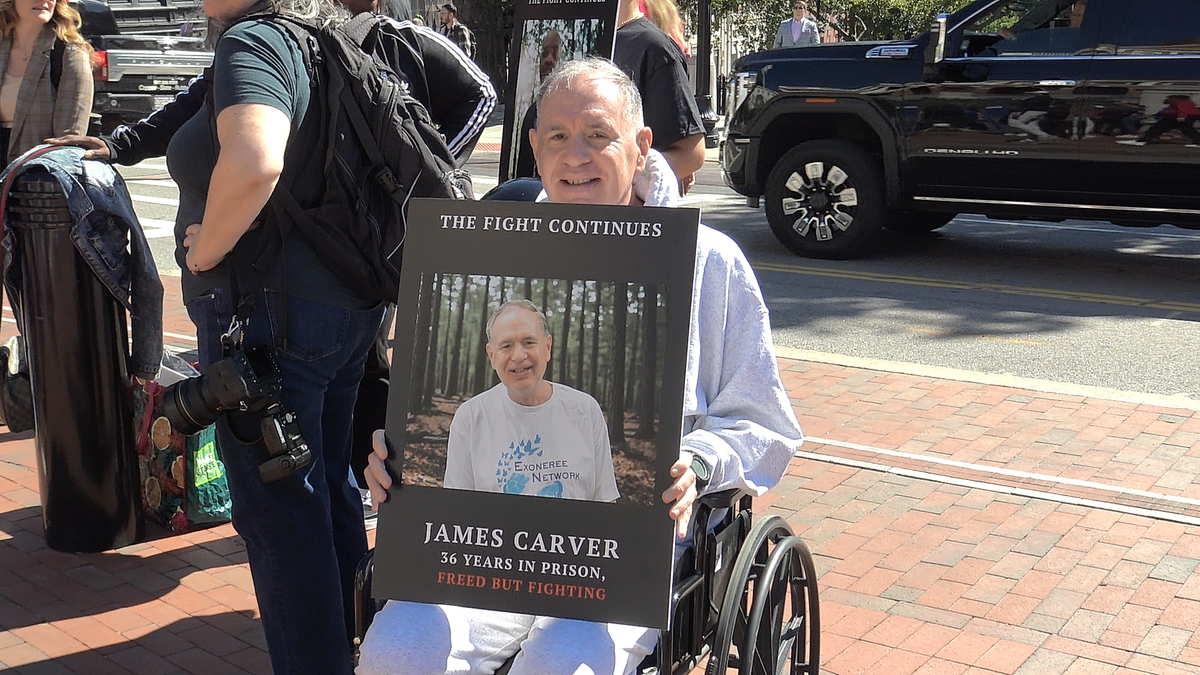
James Carver spent 36 years in prison after he was convicted of setting one of the deadliest fires in Massachusetts history—but after reviewing new scientific evidence, a judge set him free. However, Essex County prosecutors hope to put Carver back in prison by convincing the Massachusetts Appeals Court to reverse the decision that overturned his convictions.
In 1989, a jury convicted Carver of arson and 15 counts of second-degree murder related to the infamous Elliott Chambers Rooming House fire in Beverly. But in December 2024, Essex County Superior Court Justice Jeffrey Karp threw out Carver’s convictions, ruling that the trial prosecutor relied on junk science to argue the fire was started with a flammable liquid.
Karp made his finding after hearing testimony from a fire-safety engineer who said there was no evidence a liquid accelerant was used. The engineer also said the prosecutor’s theory that the fire was started by burning a bundle of newspapers outside the rooming house’s entrance was not physically possible.
However, in a brief filed with the Appeals Court in September, Essex County District Attorney Paul Tucker’s office argues that Karp abused his discretion by overturning Carver’s convictions. The district attorney’s office writes that even though the trial prosecutor presented false expert testimony, there is still “compelling evidence … that an arson was committed and the defendant committed it.”
Carver’s lawyers counter that the engineer’s expert testimony shows “there was no proof that a crime even occurred,” according to a brief they filed in January. The attorneys argue that Karp’s “meticulous 68-page written decision” that freed Carver after more than three decades in prison should stand.
The oral arguments before the Appeals Court are scheduled for May 13 at the John Adams Courthouse in Boston. The arguments will be heard by a three-judge panel that includes Justices Marguerite Grant, Maureen Walsh, and Robert Brennan.
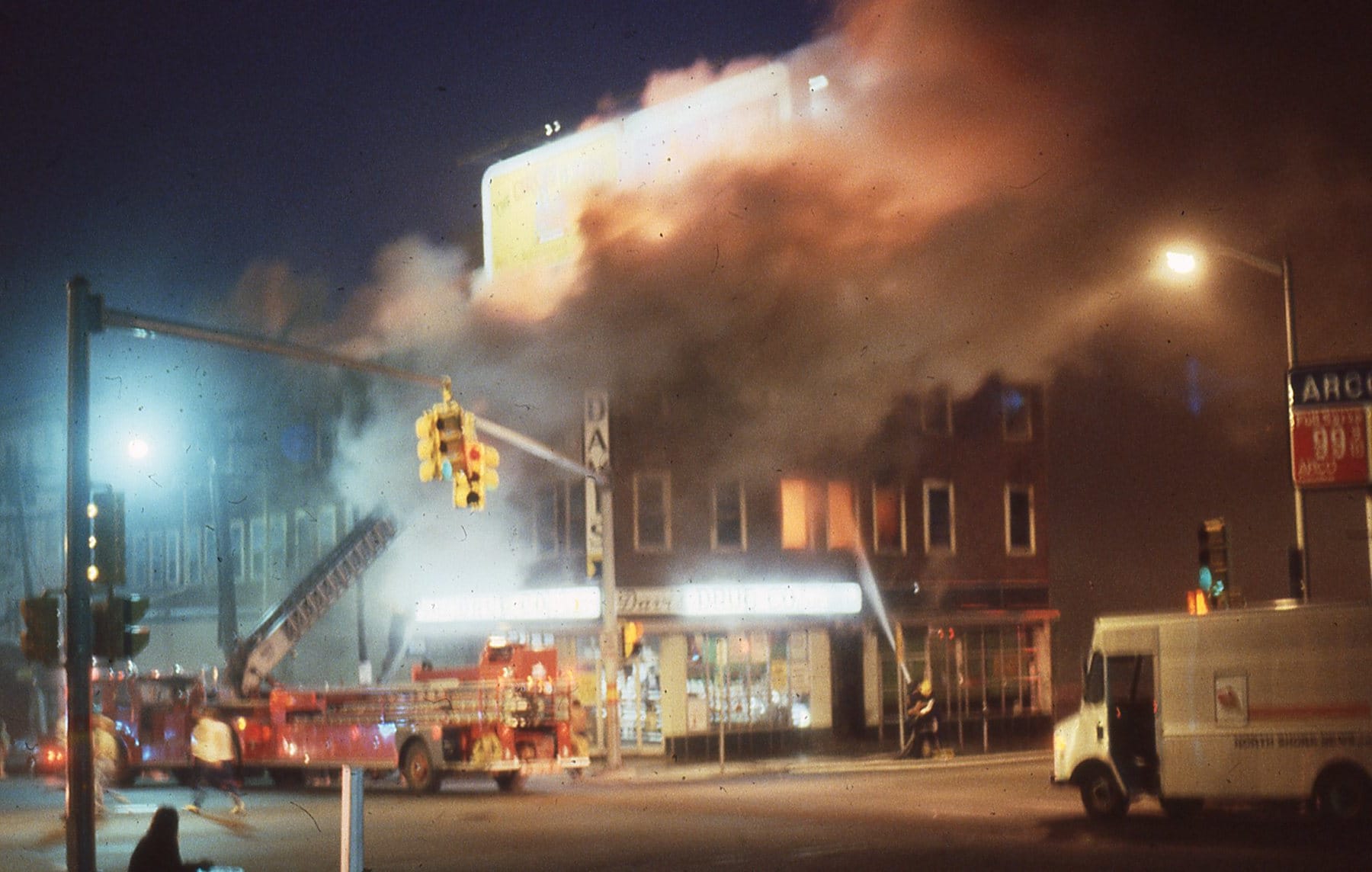
When the case went to trial in 1989, the prosecutor alleged that Carver caused the inferno by pouring a flammable liquid on a bundle of newspapers and burning it outside the Elliott Chambers’ door. The prosecutor said that Carver set the fire during the early hours of July 4, 1984, because he was angry his ex-fiancee had dated a man who lived in the rooming house. However, Carver’s parents testified that he had been sleeping at home in Danvers when the fire started.
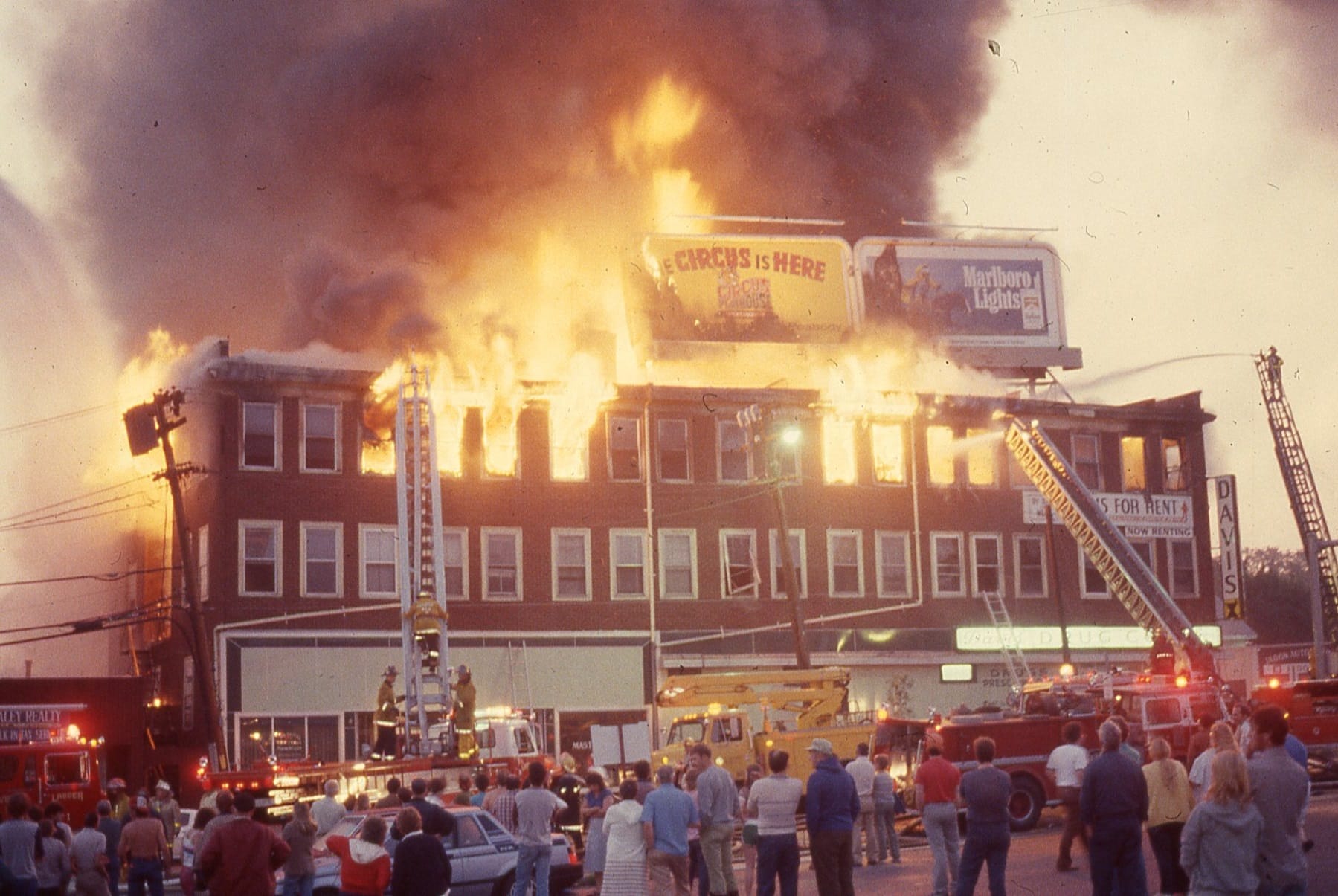
The district attorney’s office now concedes that there is no evidence the fire was started with a flammable liquid but argues there is still enough evidence that Carver set the fire using the newspaper bundle. In a statement, the district attorney’s office cited Carver’s alleged “motive, threats, and multiple admissions to having committed the crime.”
“Any wrongful conviction claim is taken very seriously and is extensively reviewed by our Appeals Division and senior members of the Superior Court Trial Team,” the statement says. “The district attorney is committed to upholding the highest ethical and moral standards for all prosecutions. In this case, we respectfully disagree with the judge’s ruling and have appealed.”
If the Appeals Court rejects the district attorney’s arguments, prosecutors can still appeal to the Massachusetts Supreme Judicial Court or prosecute Carver again.
Carver’s attorneys declined to comment or make him available for an interview for this story. However, in a 2025 interview shortly after he was released from prison, Carver professed his innocence.
“They took my life away for nothing,” Carver said at the time. “I’ve always said that I’m not the person that was involved in [the fire], and I meant it.”
He added: “I believe that if you did something wrong, you plead guilty to it. I believe if you’re innocent, you fight it all the way with everything you’ve got.”
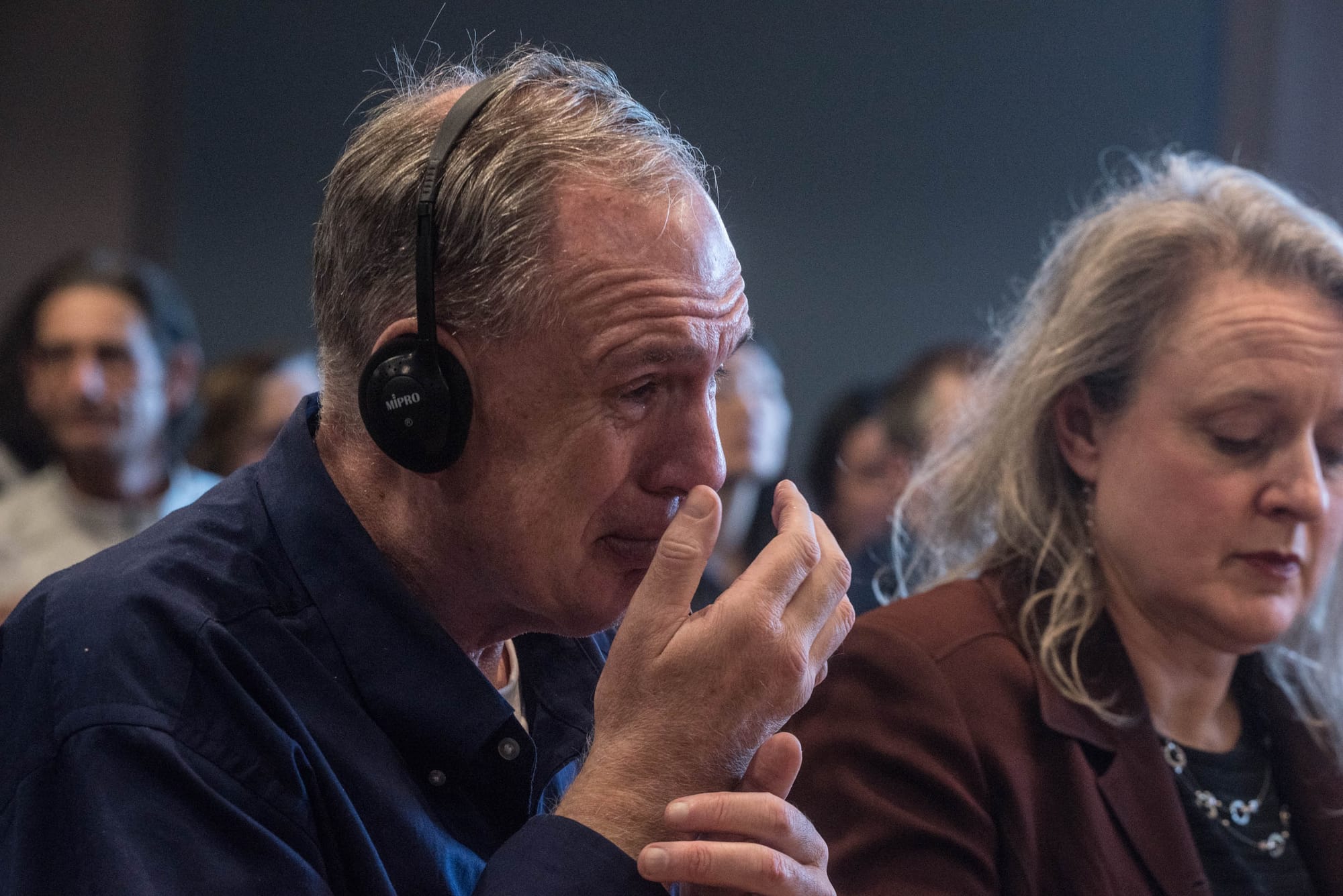
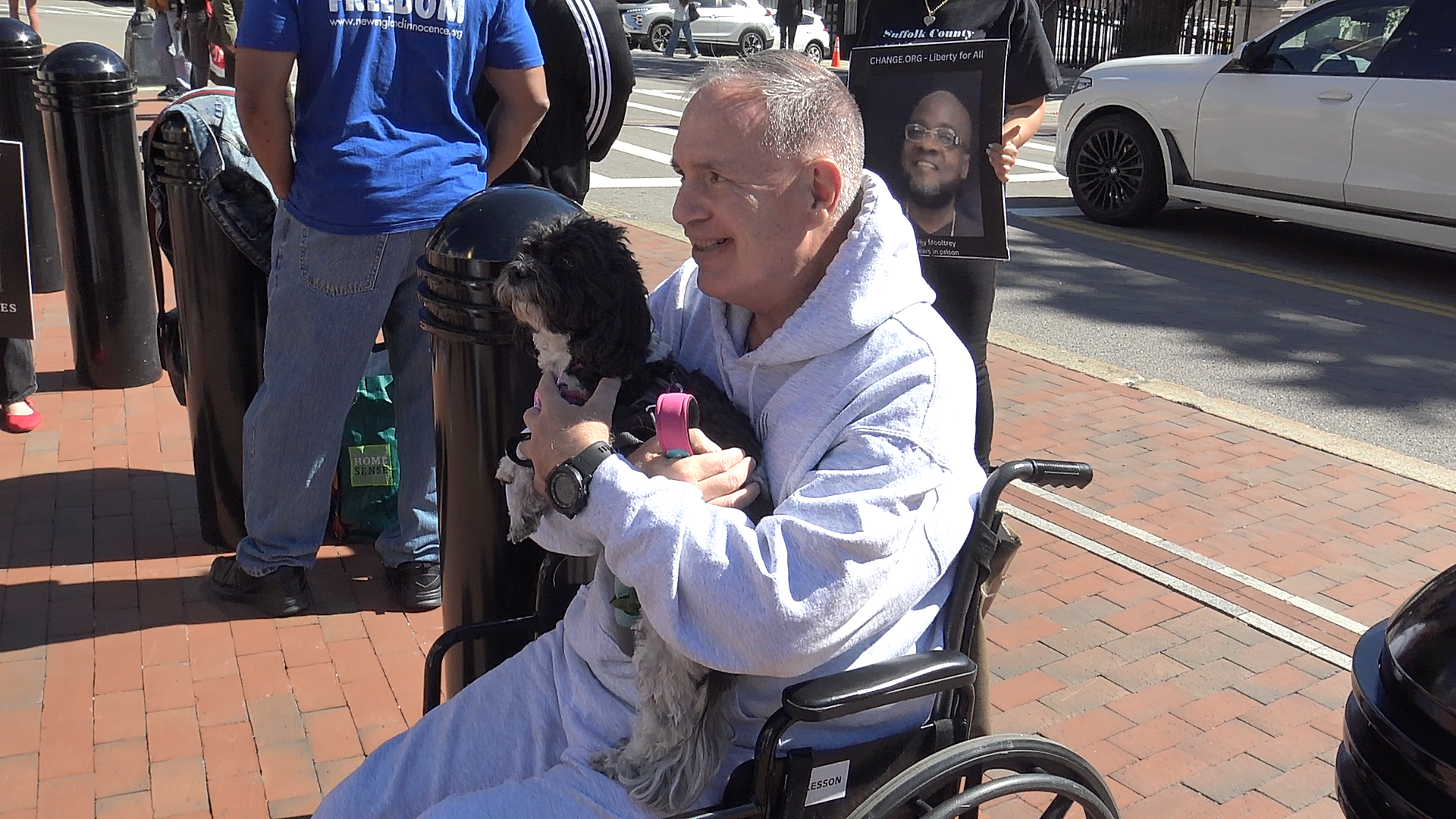
When police arrested Carver in May 1988, he was 24 years old. Now 62, he has difficulty standing, requires a wheelchair to get around, and is incontinent due to a 2005 surgery to remove a brain tumor, according to court records. He also experiences tremors, is deaf in one ear, and struggles to hear with the other.
Since his release, he has been spotted at events related to wrongful convictions, including a Wrongful Conviction Day protest on October 1 in Boston. He also testified at the Massachusetts State House in favor of a bill to reform the state’s medical-parole law on October 15.
Carver is prohibited from leaving Massachusetts as a condition of his release from prison. However, during a brief hearing in November, Karp temporarily modified the conditions to allow Carver to visit New Hampshire, where his daughter lives, for Thanksgiving and Christmas. The district attorney’s office did not take a position on Carver being allowed to visit his family for the holidays.
“Not Newly Discovered”
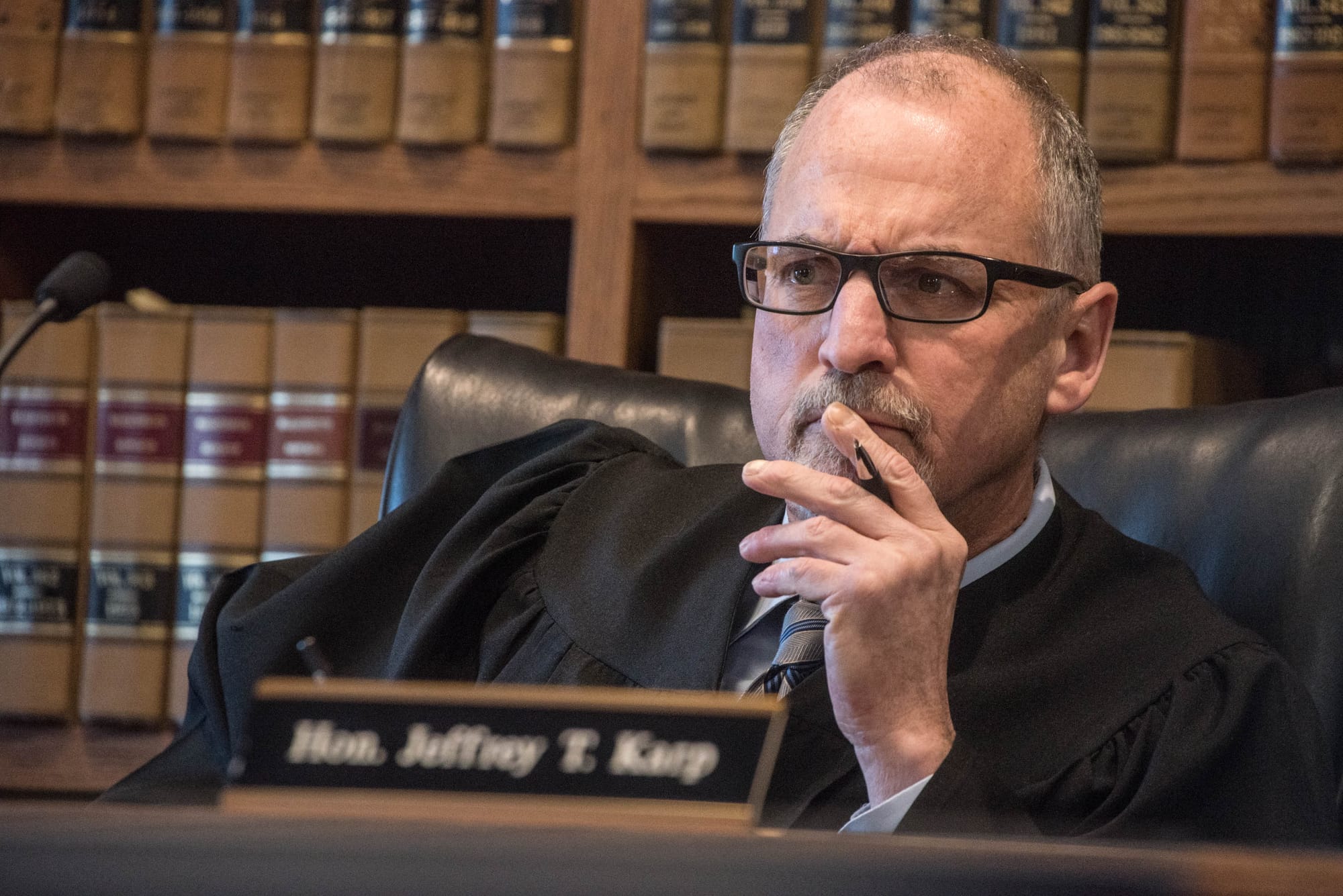
According to Karp’s December 2024 ruling, a now-deceased fire investigator falsely testified at Carver’s 1989 trial that there was physical evidence someone started the Elliott Chambers blaze with a flammable liquid like gasoline. However, no such proof existed. Karp said the investigator relied on myths about fire that have since been discredited.
The investigator testified that the blaze was deliberately set on a bundle of newspapers a firefighter found in an alcove that contained the rooming house’s entrance.
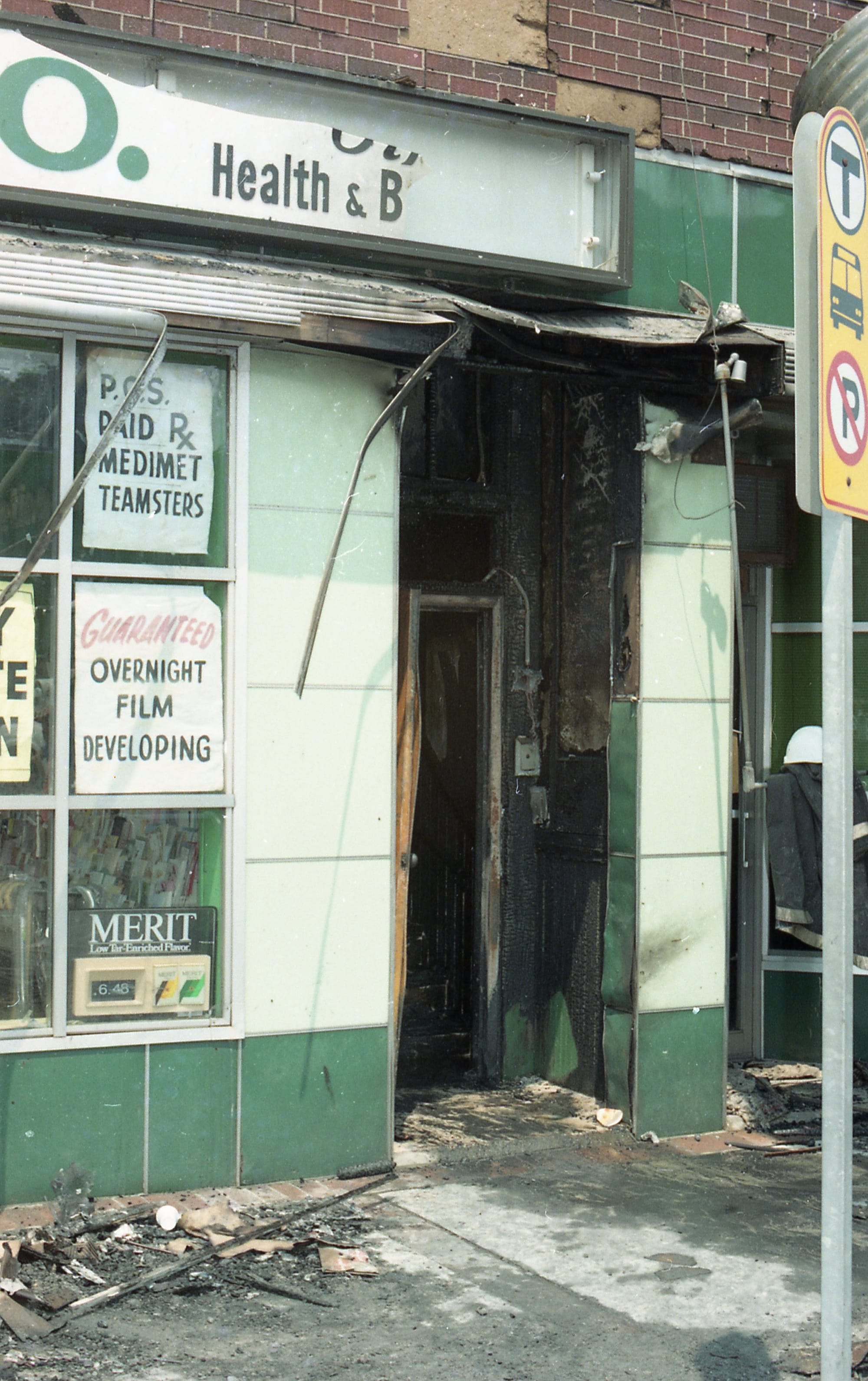
The investigator said the fire must have started at ground level, where the newspapers were discovered. He said this location was the lowest point of burn and claimed that flames can’t spread downward. He also testified that “alligator charring” marks and “swirling smoke” stains left by the fire proved it was started using a flammable liquid—even though lab tests did not detect traces of any such substance on the newspapers or in the alcove.
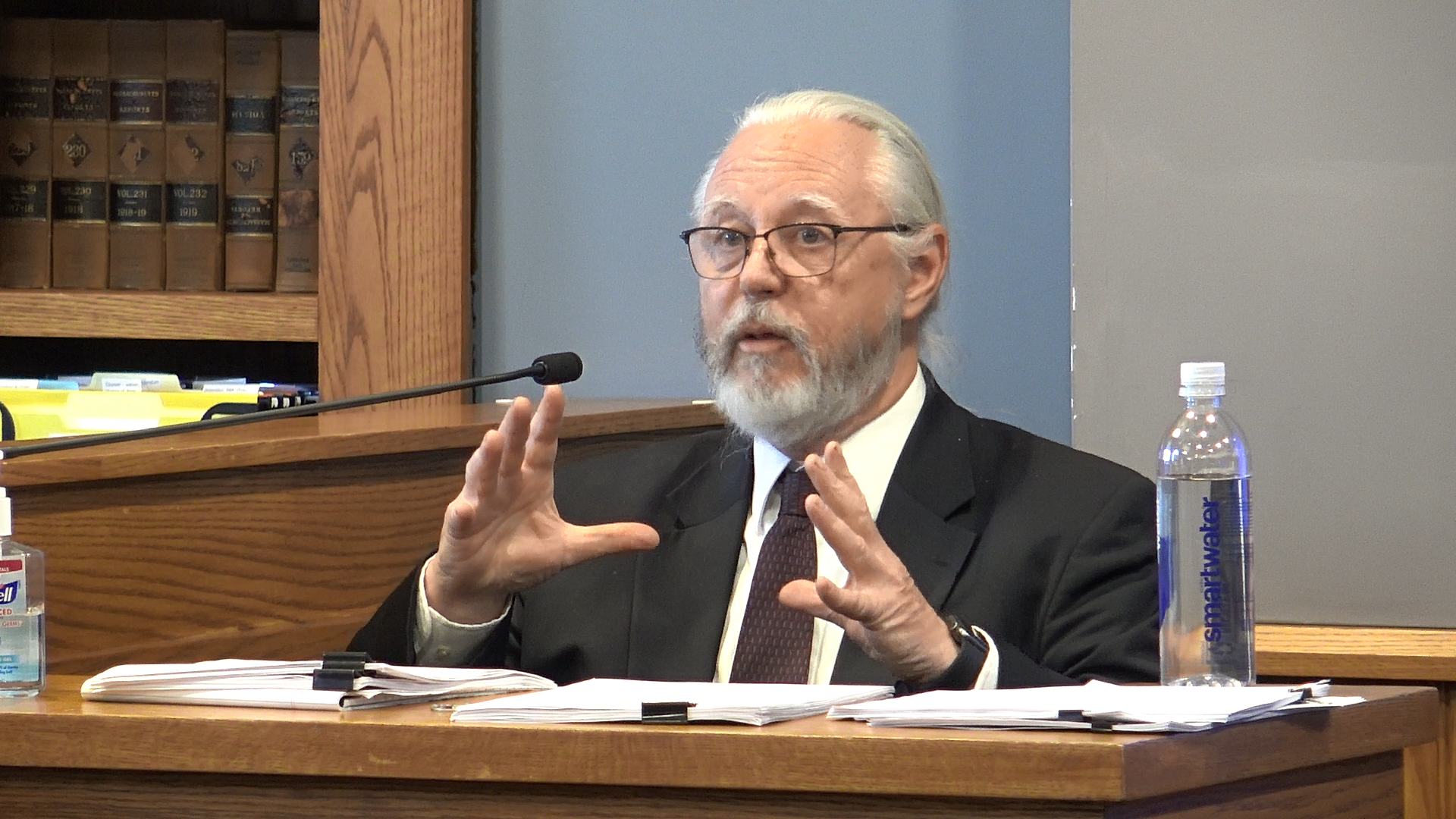
But at a hearing in April 2024, these crucial claims were debunked by Craig Beyler, a retired fire-safety engineer who reviewed the case for Carver’s legal team.
Beyler said the investigator’s testimony about “alligator charring” and “swirling smoke” was based on ‘80s-era myths scientists have since rejected. Beyler said the negative lab-test results meant the investigator’s conclusion about the presence of a flammable liquid was “mere speculation.” And the idea that fire cannot travel downward, he explained, was also false.
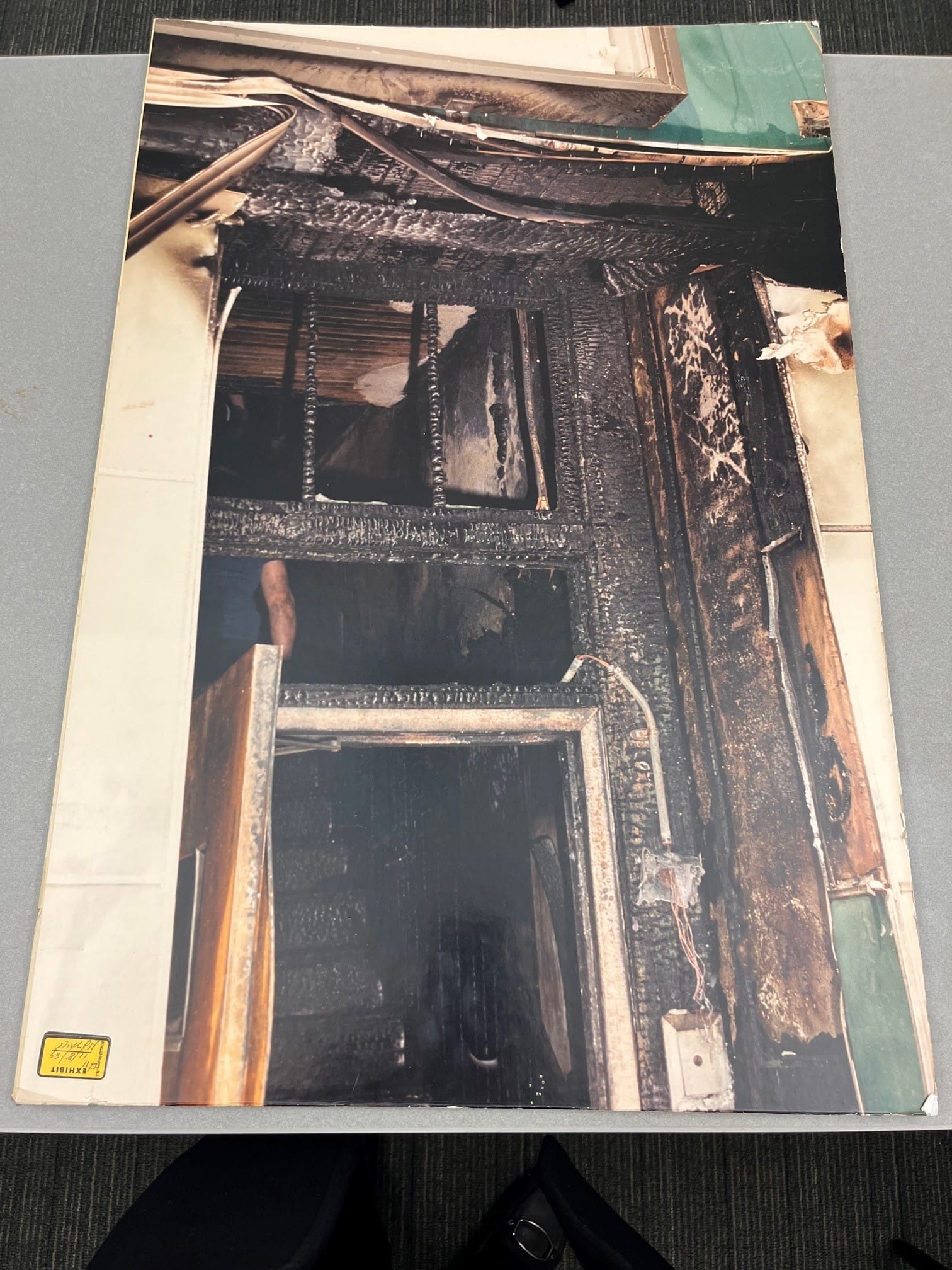
Beyler said investigators failed to collect enough evidence to rule out electrical causes. He said the blaze’s cause cannot be determined based on the available evidence. However, the engineer said that he was able to rule out the newspapers as the source of the fire. He said scientific testing has shown it would have been impossible for the newspapers to have generated a flame large enough to have spread to the building.
Beyler said the fire did not start at ground level, but instead began in the overhang of the alcove where the newspapers were found. The damage to the alcove’s walls was limited. But the fire had so significantly damaged the overhang that pieces of the ceiling were missing. He said the damage to the walls and newspapers could have been caused by “drop-down burning,” which is when flaming debris falls from a higher level of a structure to a lower one.
Karp ruled that Beyler’s new testimony was credible and significant enough to warrant granting Carver a new trial.
At the 2024 hearing, the district attorney’s office presented its own expert witness, Michael Mazza, a retired Massachusetts State Police fire investigator who now works for the Massachusetts Department of Fire Services. Mazza was not involved in the original investigation of the Elliott Chambers fire but reviewed the case for prosecutors. Mazza privately billed the district attorney’s office $13,215.33 for his work, according to public records.
Mazza agreed with Beyler that there was no physical evidence a flammable liquid was used. However, Mazza said he nevertheless concluded that the fire was started by burning the newspapers outside the rooming house’s entrance. He said that the newspapers could have been used to start the fire without the aid of a flammable liquid. He said he did not rely on any studies or conduct any tests to support this theory.
In its Appeals Court brief, the district attorney’s office concedes that the science discrediting the original fire investigator’s testimony about the presence of a flammable liquid is newly discovered evidence and therefore appropriate for Karp to have considered in his ruling.
However, the district attorney’s office argues that Karp should have disregarded Beyler’s other testimony about the origin and cause of the blaze because it was not based on new science.
“[Beyler] believed that drop down fire and electrical causes were not properly excluded, and that the newspapers were not a competent ignition source. But the defendant did not demonstrate that these latter criticisms were based on since-disproved concepts at all; as such they are not newly discovered, are waived and do not support a new trial,” the district attorney’s office writes.
The district attorney’s office also argues that the newspapers found at the Elliott Chambers are physical evidence that someone deliberately set the fire.
At Carver’s trial, a delivery driver testified that he dropped off the newspaper bundle outside the entrance of a drugstore on the first floor of the Elliott Chambers building. But a firefighter testified that during the blaze he found the bundle one door down, outside the rooming house’s entrance.
The district attorney’s office argues that the “undisputed movement of those papers” from the drugstore’s entrance to the rooming house’s entrance “provided significant circumstantial evidence that the fire was an arson.”
But Carver’s attorneys say that the district attorney’s office has changed its theory of the case by now arguing that the fire could have started on the newspapers without the use of a flammable liquid. According to Carver’s brief “these arguments fail to acknowledge that the jury did not hear any evidence that the newspapers alone could have been the source of the fire and, in fact, the Commonwealth told the jury the exact opposite.”
At Carver’s trial, the prosecutor said during his closing argument that the newspapers could not have been the source of the fire without the use of an accelerant, citing the testimony of the fire investigator.
Carver’s lawyers also say that the evidence suggesting someone moved the newspapers is negated by Beyler’s testimony. The engineer concluded that the papers could not have been the source of the fire and that the blaze started in a different location from where they were discovered, they write.
“Significantly, the Commonwealth does not dispute the validity of Dr. Beyler’s criticisms, nor does it dispute that none of them were presented to the jury; it merely contends that they are not all new,” Carver’s lawyers write.
Carver’s lawyers argue that Karp was within his discretion to consider all of Beyler’s opinions even if some of them are based on concepts that were understood at the time of Carver’s original trial.
They argue that because the erroneous concepts that led the fire investigator to conclude the blaze was started with a flammable liquid were accepted at the time, Carver’s trial lawyer “had no reason to challenge other aspects of [his] work, such as whether [he] properly considered drop-down or electrical wiring.”
“Carver’s Own Words”
The district attorney’s office argues that “Carver’s own words” are some of the most compelling evidence that the fire was arson, citing statements that others attributed to him during the trial. These include a threat he allegedly made hours before the blaze and a confession he allegedly made a few months afterward. This evidence is so overwhelming, the district attorney’s office argues, that the new fire science would not have impacted the outcome of the case.
However, Carver’s lawyers argue that the alleged confession contradicts Beyler’s expert testimony about how the blaze started. This scientific evidence would have played a role in how jurors viewed the testimony about the alleged confession, the lawyers write.
One of the victims of the fire was Rick Nickerson, whom prosecutors allege Carver threatened the night before the fire. That night, the two young men spoke outside the pizza place where Carver worked and the neighboring pool hall that employed Nickerson. Three witnesses testified that they heard Carver threaten Nickerson for dating his ex-fiancée, but they all gave different accounts of what he said. Two of the witnesses did not tell police about the alleged threat until years after the fire.
According to one of the witnesses, Nickerson was on a date with a different young woman the night before the fire. The young woman, who did not testify, told investigators she was present when Carver allegedly made the threat but did not hear what he said, according to police records. She also reportedly said that Nickerson never mentioned the alleged threat to her.
The district attorney’s office argues that “there was evidence of the [sic] Carver’s intent, through his threats against Nickerson, and his consciousness of guilt, in statements made after the fire.”
The district attorney’s office cites testimony from Carver’s former friend, who said that he tearfully confessed after inviting her to his home in October 1984. The witness acknowledged that she didn’t tell police about the alleged confession until investigators called her in March 1987, after she had moved to New York.
According to the witness, Carver said he had wanted to scare his ex and the man she had been dating, so he set a fire by pouring gasoline on newspapers and igniting them with a match. The witness said Carver never specified what fire he was talking about, but she believed his comments to be about the Elliott Chambers.
The witness testified that Carver said he followed his ex and Nickerson home before setting the fire, but did not specify whose home it was or where it was located. However, this story was contradicted by Carver’s ex, who testified that she wasn’t with Nickerson then and didn’t know where he lived.
Carver’s lawyers argue there’s further reason to doubt the alleged confession evidence. They note that the witness “told police that shortly after this conversation happened, she told at least four people about Carver’s statements, including a firefighter …, yet none of them reported this to police or confirmed [her] account at trial.”
They also argue Beyler’s testimony that the fire could not have started on the newspaper bundle would have given Carver a new basis to challenge the witness’s testimony.
They write, “Had the jury been presented with Dr. Beyler’s expert testimony, they would have had a scientific basis to question whether the fire was [deliberately] set and to further doubt the veracity of Carver’s alleged statement to [the witness], fundamentally altering their assessment of guilt.”
The Massachusetts Appeals Court livestreams oral arguments on YouTube. The arguments in James Carver’s case will be available to stream here on May 13.
CORRECTION: This story originally included an incorrect date for the upcoming oral arguments. It has been updated to reflect the correct date.
Thanks for reading! As always, if you’d like to keep The Mass Dump running, please consider becoming a financial supporter either by signing up for a paid subscription to this newsletter below, becoming a Patreon supporter, or sending a tip via PayPal or Venmo. I rely on your support to keep doing this work, and a monthly subscription is just $5!
Even if you can’t afford a paid sub, please sign up for a free one to get updates about this story, and please share this article on social media.
You can follow me on Bluesky and Mastodon. You can email me at aquemere0@gmail.com.
You can read the feature story about James Carver’s case that I wrote after his 2025 release from prison here:
 Andrew Quemere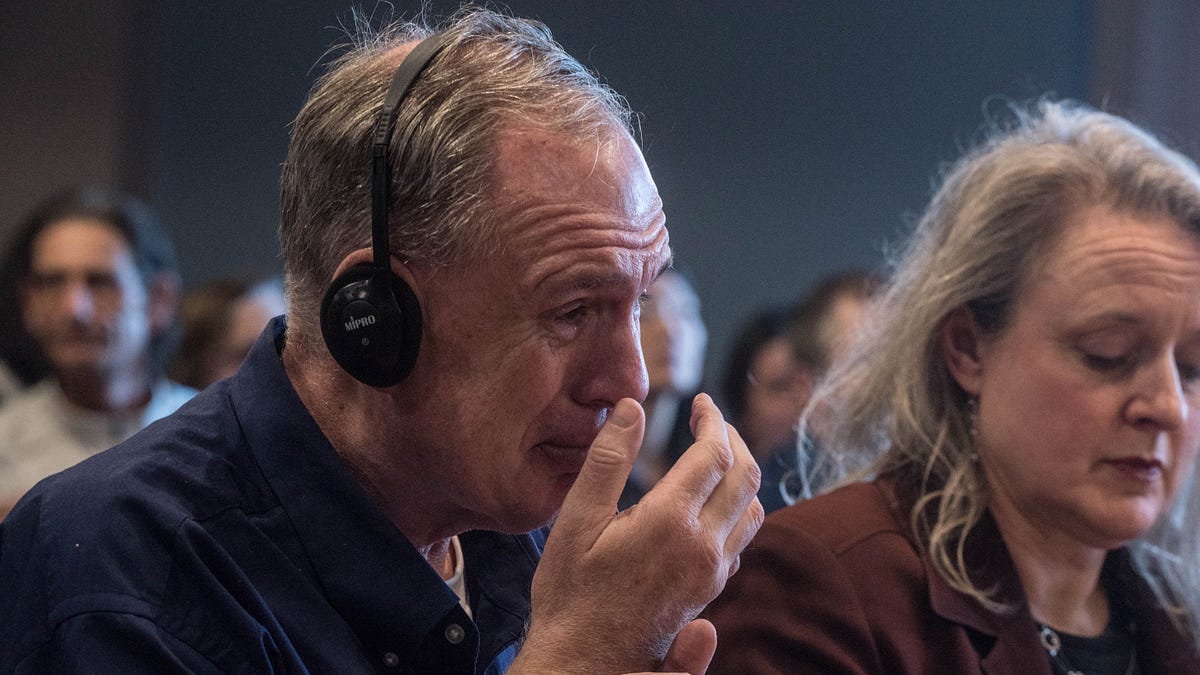
You can read my original investigation of James Carver’s case, which I published in 2024 before his convictions were overturned, here:
 Andrew Quemere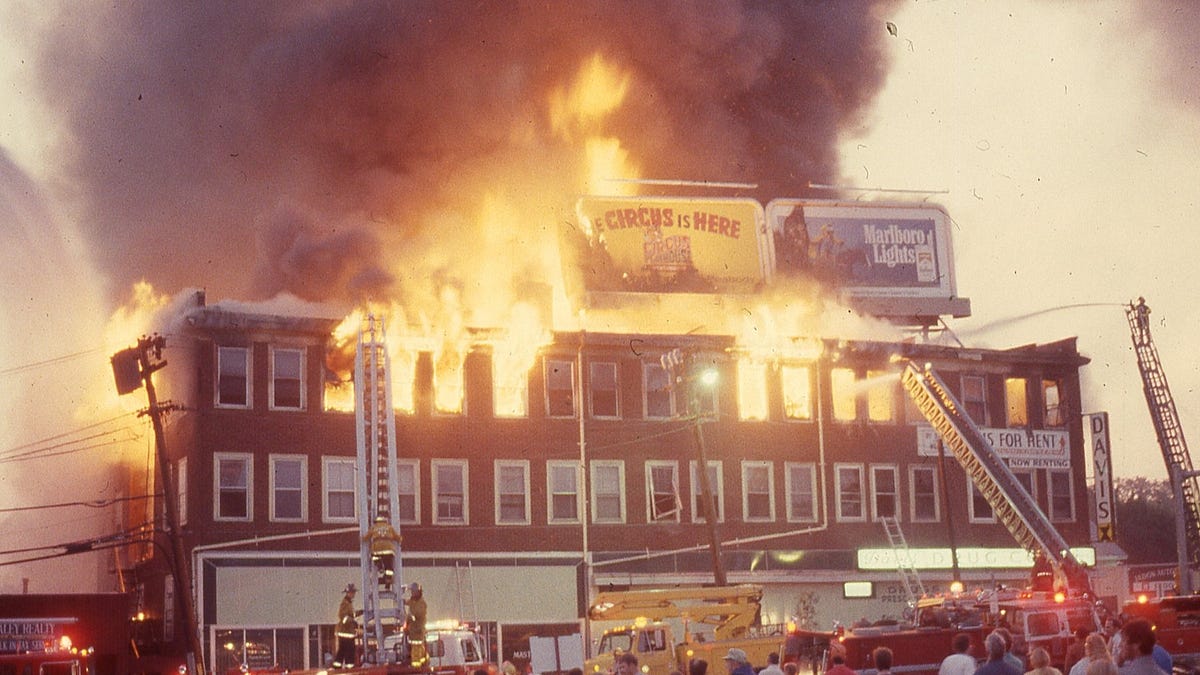
That’s all for now.