Surviving war only to be killed at home by a cop
This country’s obsession with using police as the solution to every social problem is deadly
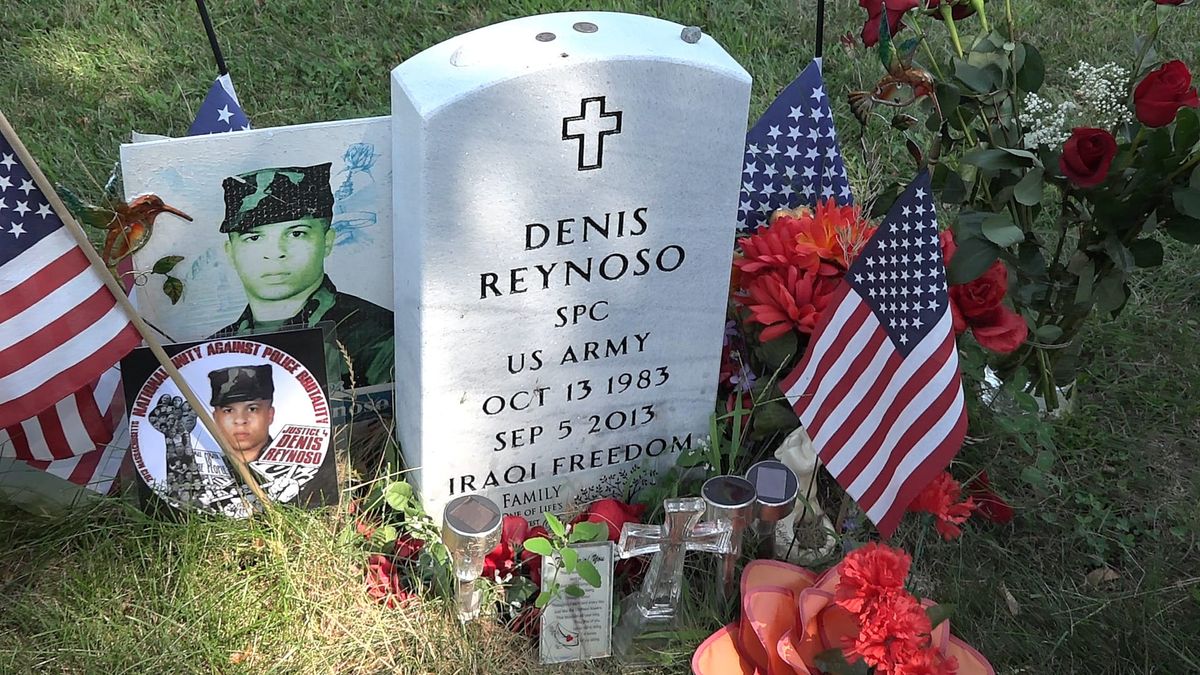
Every Memorial Day, I share the story of Denis Reynoso. He was a military veteran who survived the war in Iraq only for the government he served to kill him back home. In 2013, while Reynoso was experiencing a mental health crisis, a Lynn police officer shot him to death in his apartment in front of his five-year-old son.
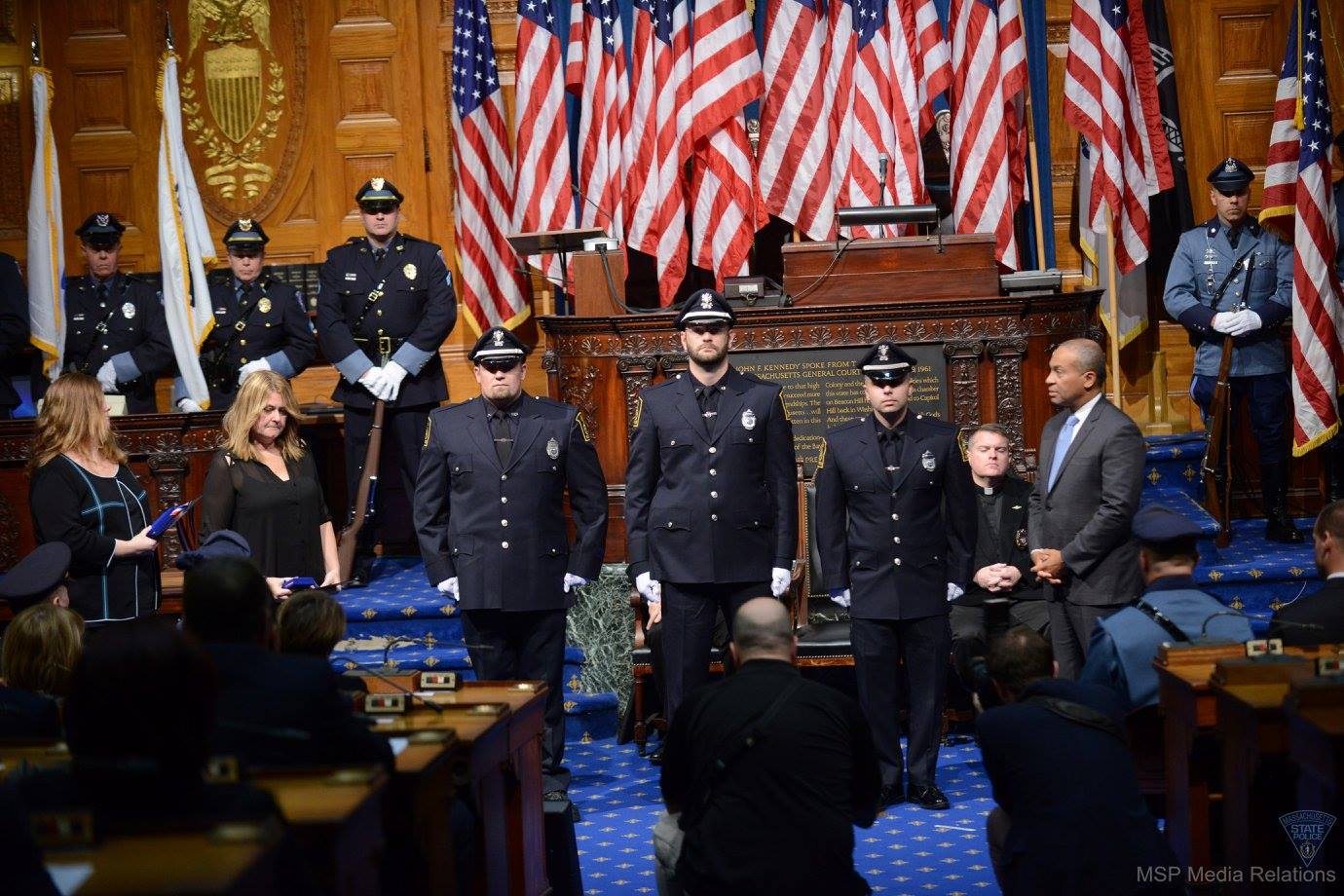
The Essex County District Attorney’s Office cleared the three cops who were involved in the incident of wrongdoing. They were later given awards by then-Governor Deval Patrick, and the Lynn Daily Item decided it was appropriate to headline this news with some wordplay: “Lynn officers prove their mettle, governor presents them with medals.”
Yes, that last part really is true.
The officers claimed that Reynoso grabbed a gun from one of them and fired it, so another officer shot him in self-defense. The officers weren’t wearing body cameras, so it’s unclear what really happened.
But whether or not the shooting was legally justified, what possible reason could there be for handing out awards to cops for killing a man in distress? Is that really something that deserves to be honored at a big fancy ceremony? Should you really be wearing a formal uniform complete with white gloves and standing at attention while the governor tells you what a great job you did ending a man’s life and causing unfathomable anguish for his family?
In a news release from the governor’s office, Reynoso was reduced to a nameless “violent suspect” who was “subdued” by police. But he had a name, and a family, and a life. And he should still be alive today.
Reynoso’s story is a reminder that this country’s obsession with using police as the solution to every social problem—including responding to mental health crises—is deadly.
As The Boston Globe noted in a story in April, alternatives are possible:
Calling 911, which should be the last resort for someone struggling, is sometimes the only option because mental health providers have few emergency services available, said Dr. Sarah Abbott, director of the Center for Crisis Response and Behavioral Health at William James College in Newton.
“The bottom line is after hours — weekends, nights — there’s no one else coming,” Abbott said. “You can swim back upstream and you can see all the places that the system failed.”
That creates situations that can escalate, said Abbott, who cofounded the Framingham Police Department’s co-response program, which embeds clinicians with officers. Decades ago, she said, there were stronger “natural supports” in place — family, friends, faith groups, or other civic connections who could intervene when someone was struggling, so police would rarely get called for a wellness check. As the modern world has stripped some of that away, those types of calls have blossomed.
Abbott said she’d like emergency services from mental health providers expanded and more nuance in the 911 system. Calls with no alleged criminal behavior could just be handled by a clinician, and reports involving crime could be addressed by an officer and a clinician responding together.
“We need to, as a society, not rely on police to respond to psychiatric issues,” she said.
So far this year, police have shot and killed at least three people with apparent mental health issues in Massachusetts, according to data collected by Mapping Police Violence. A lot more work needs to be done to prevent future tragedies like these.
If you want to learn more about the story of Denis Reynoso, NBC10 Boston’s Shira Stoll made a documentary to which I contributed some video. You can view the documentary, which was first broadcast in November 2021, here:
Thanks for reading! If you’d like to keep The Mass Dump running, please consider offering your financial support, either by signing up for a paid subscription to this newsletter below, becoming a Patreon supporter, or sending a tip via PayPal or Venmo. A monthly subscription is just $5.
Even if you can’t afford a paid sub, please sign up for a free one to get news about wrongful convictions, police misconduct, public records, and stuff like that—and please share this article on social media.
You can follow me on Bluesky and Mastodon. You can email me at aquemere0@gmail.com.
That’s all for now.