Judge Weighs Whether to Release Man Whose Three-Decade-Old Murder Conviction Was Overturned
After Brian Peixoto’s 1997 murder conviction was thrown out, a judge is considering whether to grant him bail while prosecutors appeal the ruling
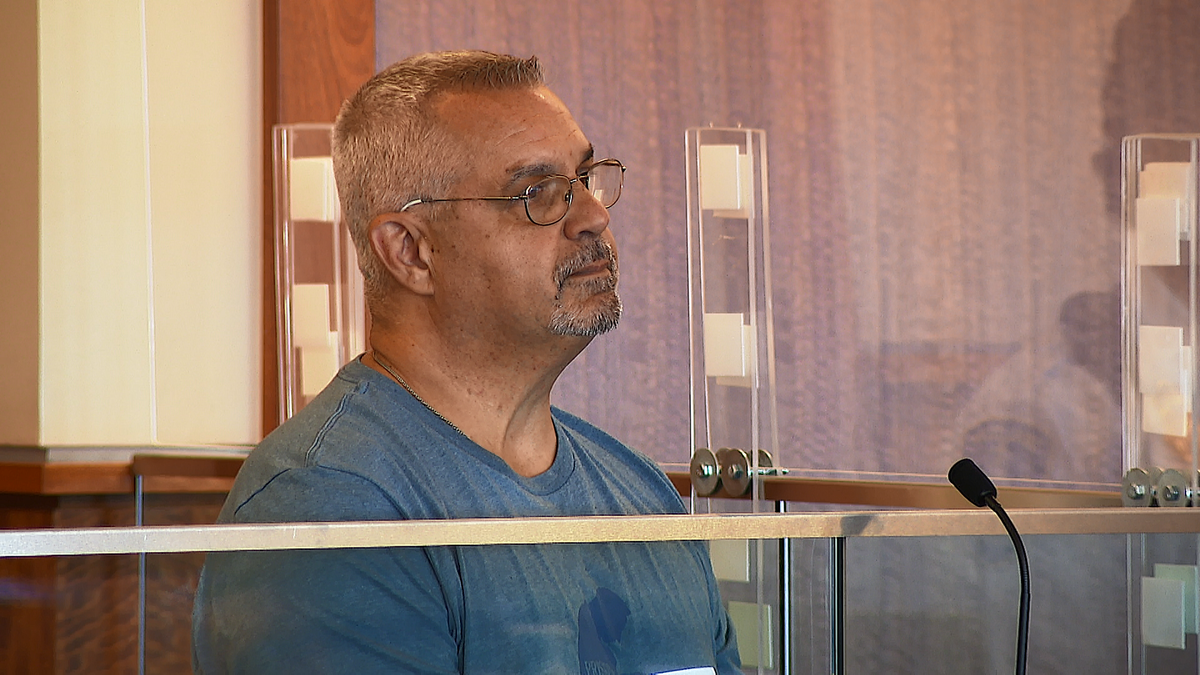
A Massachusetts judge is weighing whether to release a man whose nearly 30-year-old murder conviction was thrown out in May.
In January 1996, Brian Peixoto was charged with killing his then-girlfriend’s three-year-old son, Christopher Affonso, Jr., and a jury convicted him of first-degree murder the following year. But on May 26, a judge overturned Peixoto’s conviction and vacated his life sentence, finding that new scientific evidence calls the prosecution’s theory of how the child died into question. On June 4, a different judge heard arguments about whether to release Peixoto from custody while prosecutors appeal the ruling.
During a bail hearing at the Fall River Justice Center, defense attorney Lisa Kavanaugh asked Bristol County Superior Court Justice Raffi Yessayan to consider the three decades that Peixoto has already spent in prison and the previous judge’s opinion that new evidence undermines the prosecution’s case.
“Mr. Peixoto has fought for literally decades to clear his name,” said Kavanaugh, who is the director of the Innocence Program at the state’s public defender agency, the Massachusetts Committee for Public Counsel Services (CPCS). “Factually and legally, he stands on completely different and far more favorable footing than he did as a 26-year-old charged in the first instance.”
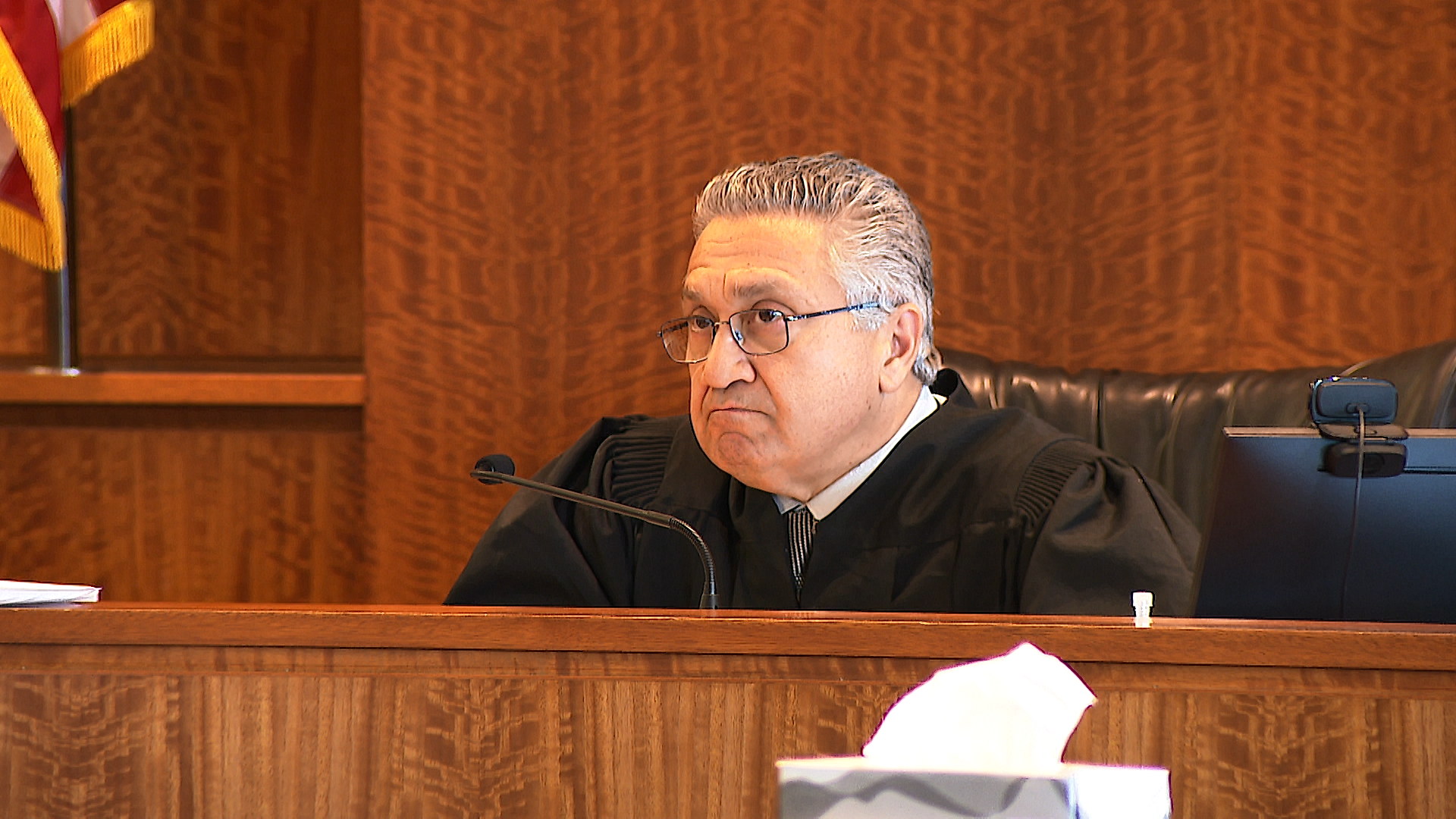
Bristol County Assistant District Attorney Dennis Collins told the judge that the prosecution has a viable appeal and that the defense is unlikely to prevail if there is a second trial.
At a March 1997 trial, a different Bristol County prosecutor argued that shortly before Affonso’s death, Peixoto assaulted the boy in a fit of rage after he wet himself in Peixoto’s Westport apartment. The prosecutor presented jurors with a lurid story in which Peixoto tortured the child by pinching his penis then grabbed him by his arms and slammed his head on a hard surface eight times, causing a six-inch fracture at the base of his skull and killing him almost immediately.
But on May 26, Plymouth County Superior Court Justice Daniel O’Shea threw out Peixoto’s murder conviction, finding that new science provides a different, plausible theory of how Affonso died. In an 80-page decision, O’Shea said Peixoto is entitled to a new trial because studies from 2016 and 2022 show that children can sustain fractures at the base of the skull from short falls and that such fractures do not necessarily result in immediate loss of consciousness or death. The research, O’Shea said, contradicts the prosecution’s claim that Affonso’s injury could have only resulted from a violent assault shortly before he died.
 Andrew Quemere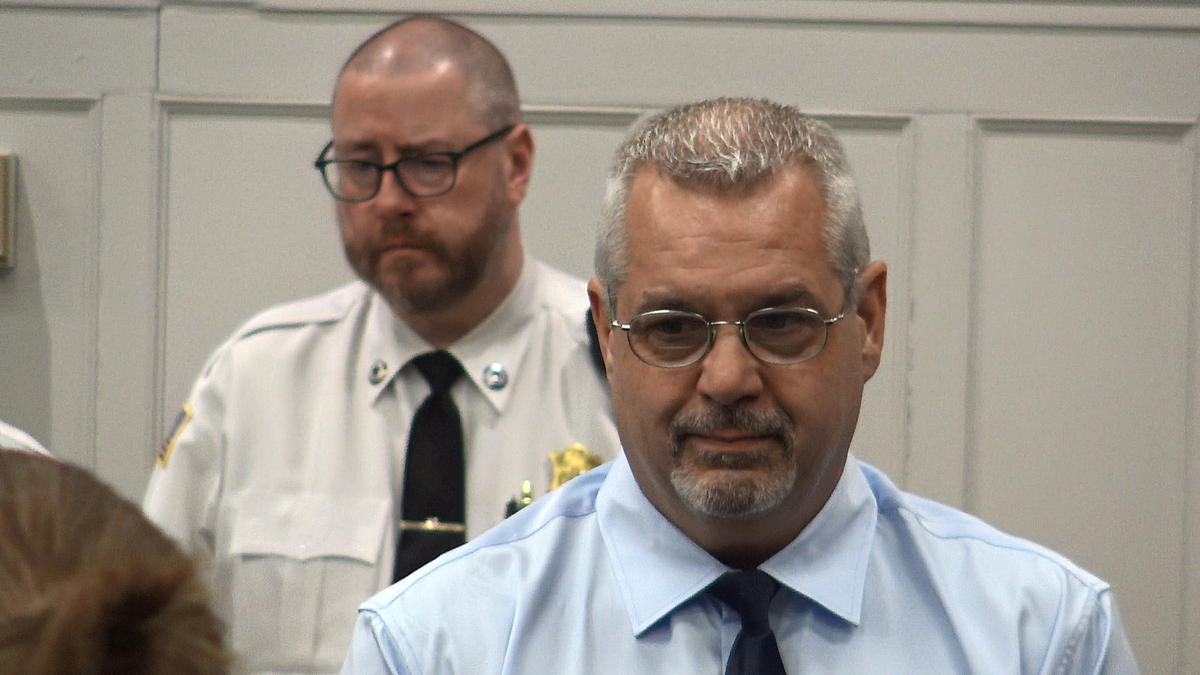
About 10 days before Affonso’s death, the boy fell down the stairs at his grandmother’s house when Peixoto wasn’t present, hit his head, and fractured his clavicle, which Peixoto’s lawyers have pointed to as a possible alternative explanation for the skull fracture.
In court documents, Peixoto’s lawyers say that the prosecution’s theory of how Affonso died is “completely wrong” and that “it is now clear that no one beat this child to death on the evening of January 22, 1996.” They argue that Affonso died from complications of a rare condition called post-traumatic diabetes insipidus, which is associated with the type of skull fracture the boy sustained and would have taken days to cause his death rather than killing him immediately.
PTDI is a condition that occurs when there is damage to the part of the brain that secretes the hormone that tells the kidneys to retain water. The lawyers have cited lab-test results that showed Affonso’s sodium level was extremely elevated at the time of his death and evidence that he was dehydrated to support their theory.
Before the bail hearing, Peixoto’s lawyers submitted 19 letters from supporters, including family members, friends, and people who were mentored by him in prison. One letter was from a business owner who hopes to hire Peixoto for a full-time job as an insulation installer in the event that he’s released.
Family members said in their letters that Peixoto endured the loss of all four of his grandparents, his mother, a cousin, and a close friend during his three decades of incarceration. They described him as a kind and caring person who has worked to better himself while in prison and encouraged others to do the same.
“Throughout these years, I have watched my Dad stay strong and never give up on himself or our relationship,” wrote Peixoto’s daughter, Amber Peixoto, who was four years old when he was arrested. “From scheduling a phone call during my high school graduation so he could hear the crowd cheering me across the stage, to a prison visit with me wearing a blue colored t-shirt to disclose the gender of my child, his first grandchild, we have maintained an incredible father-daughter bond that is unmatched.”
His father, Joseph Peixoto, wrote: “When Brian was first taken away, part of my heart was torn out. Part of me died. I don’t think that either of us can be made whole until he comes home. … I lost out on sharing in parenting with him. Watching him become a father was a proud moment. It hurts me terribly to see what he has lost out on with his daughter.”
Amber Peixoto, Joseph Peixoto, and other family members, friends, and supporters filled up the benches inside the courtroom during the bail hearing.
Brian Peixoto, now 56, stood behind a glass enclosure on the side of the courtroom, his hands cuffed in front of him. He had a gray crew cut and goatee, and he wore a pair of bifocals, a chain necklace, and a t-shirt. A tattoo that said “AMBER’S DADDY” was visible on his right arm.
The prosecutor, Collins, asked the judge to continue holding Peixoto without bail. Collins said that “the defense in this case relies on creating an alternate timeline” that is inconsistent with the evidence presented at trial.
“The timeline requires that a short fall could cause a six-inch, linear, bilateral skull fracture from ear to ear across the base of the skull behind the brainstem, the thickest part of the skull, in a three-year-old child,” Collins said.
Collins said neither study cited by the defense showed that a child had sustained the exact same type of fracture as Affonso.
“So we have newly discovered information, but is it really evidence?” Collins said.
The defense attorney, Kavanaugh, said that Peixoto should be released without bail. However, Peixoto has the support of his family, she said, and they are willing to post bail if necessary. She said that if Peixoto is released, he will live with his father and his father’s long-term partner.
“Prison is not designed to nurture family connections,” she said. “On the contrary, it often breaks those connections altogether. But that did not happen to this family. It made this family stronger.”
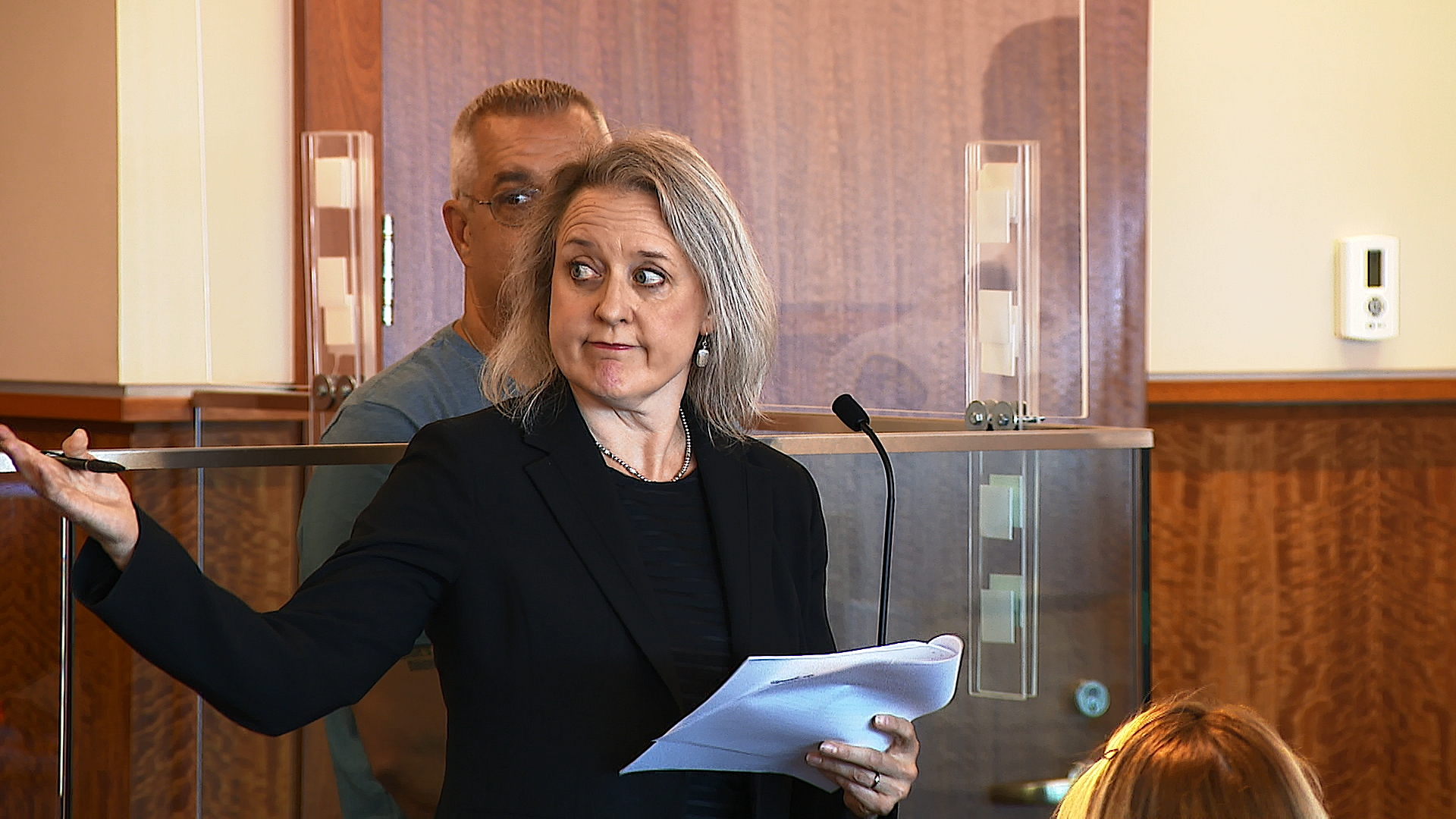
Kavanaugh said Peixoto would also receive help from the Exoneree Network, an organization that provides material and social support to people whose convictions have been overturned in Massachusetts. The group was founded by three exonerees, two of whom were Kavanaugh’s clients.
“Together, this community has supported the successful release of every single person who has been represented by the CPCS Innocence Program, the Boston College Innocence Program, and the New England Innocence Project, and some of those clients have had long and arduous battles after securing motions for new trial,” she said.
As one example, Kavanaugh mentioned Sean Ellis, who spent years in and out of court after a judge overturned his Boston murder conviction in 2015.
Ellis, a cofounder and the director of the Exoneree Network, was one of the many supporters present in the courtroom. After Ellis’s name was mentioned, Peixoto’s sister, Brenda Peixoto-Aguiar, reached behind her with her left arm and held Ellis’s hands.
“Every single one of the clients I have represented since assuming my role as the director of the [CPCS] Innocence Program 15 years ago has been granted bail or released on conditions following the allowance of their respective motions for new trial,” Kavanaugh said. “And every single one of them has continued to appear in court for the duration of their legal proceedings, regardless of how arduous or long, and regardless of the outcome.”
Kavanaugh said Peixoto has no other criminal convictions and has only received five disciplinary tickets in prison, all for non-violent offenses and with the most recent ticket issued more than a decade ago.
She said Peixoto earned a GED and a college degree from Boston University while in prison. He also became a service dog handler for the organization NEADS, she said.
“I note that he is wearing his NEADS service handler t-shirt [in court], because when he was transferred abruptly after the decision was issued from his cell at MCI Norfolk to Dartmouth House of Correction, that’s what he was wearing, and he was with his puppy,” she added.
Kavanaugh said that Peixoto organized two Walks for Innocence at MCI Norfolk, one in 2024 and another in 2025. Several people from outside the prison, including Kavanaugh, were allowed to participate. The events had to be approved by the Massachusetts Department of Correction, which was only possible because Peixoto was “deeply trusted,” she said.
Kavanaugh said that within hours of the decision overturning Peixoto’s conviction, a guard arrived at his cell and told him he had less than an hour to pack.
“And just like that, he lost everything,” Kavanaugh said. “He lost access to all of his property, his legal papers. He lost access to his tablet, which was how he communicated with his family and with his lawyers. He left his puppy without knowing what happened to her. He was transferred to a county facility, where he was placed in solitary, because they had no idea what to do with someone in his position, who had been in prison for so long and was suddenly thrust back into pretrial detention. And he’s now on 21-hour-a-day lockdown without any access whatsoever to programming.”
O’Shea, the judge who overturned Peixoto’s conviction, denied him bail in the May 26 ruling. However, Kavanaugh said it was improper for O’Shea to do so without a hearing. She also said that O’Shea assumed the case would quickly proceed to trial, but prosecutors have since filed a notice of appeal, which could delay a potential trial for years.
She urged Yessayan “to grant Mr. Peixoto the opportunity to prove that he has every incentive to come back however many times are needed to clear his name.”
The judge said he would take the bail motion under advisement. He did not indicate when he would issue a decision.
Peixoto made a horns gesture at his family and smiled while a court officer led him away.
His father, Joseph, was smiling as he exited the courtroom, but tears were forming in his eyes.
“Back to waiting,” he said softly. “Not much you can do.”
Peixoto’s daughter, Amber, was sobbing in the hallway while speaking with Joseph and Peixoto’s lawyers. Later, Amber briefly spoke outside the courthouse, criticizing the prosecutor for not addressing the points Kavanaugh raised at the hearing.
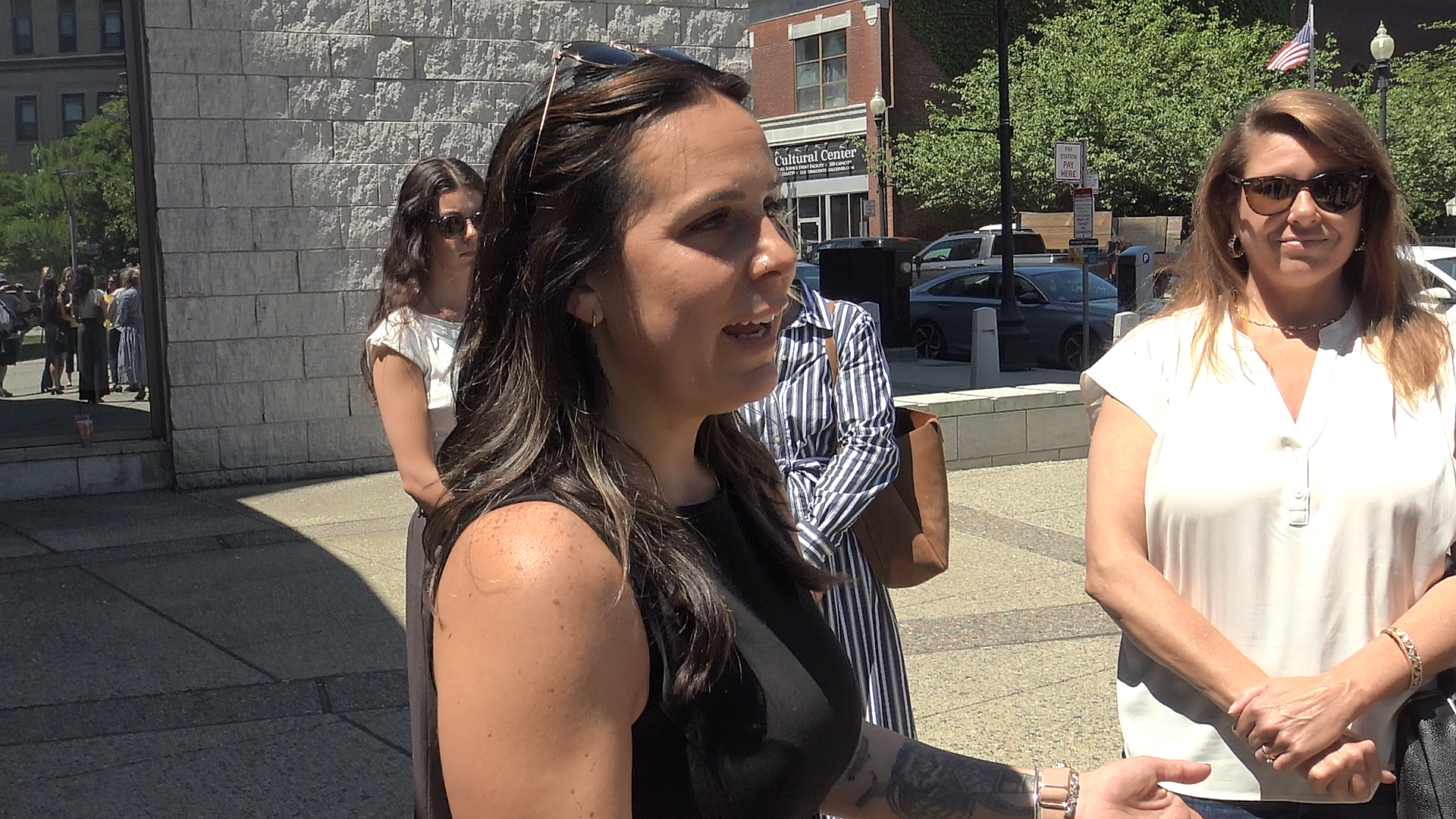
“His conviction got overturned,” she said. “Those things are totally irrelevant for why we were here. Nothing was said about his bail. Nothing about why he shouldn’t be coming home.”
She said she was hopeful her father would be released.
She added: “We’re Peixotos. We fight.”
Thanks for reading! Journalism like this takes a lot of time and effort. If you’d like to keep The Mass Dump running, please consider offering your financial support, either by signing up for a paid subscription to this newsletter below, becoming a Patreon supporter, or sending a tip via PayPal or Venmo. Your support pays for this aggregation project and original investigative reporting. A monthly subscription is just $5.
Even if you can’t afford a paid sub, please sign up for a free one to get news about wrongful convictions, police misconduct, public records, and stuff like that—and please share this article on social media.
You can follow me on Bluesky and Mastodon. You can email me at aquemere0@gmail.com.
That’s all for now.