Judge Overturns Conviction of Man Accused of Murdering Three-Year-Old in 1996
A jury convicted Brian Peixoto of killing his girlfriend’s son—but three decades later, a judge ruled that new scientific evidence calls the verdict into doubt
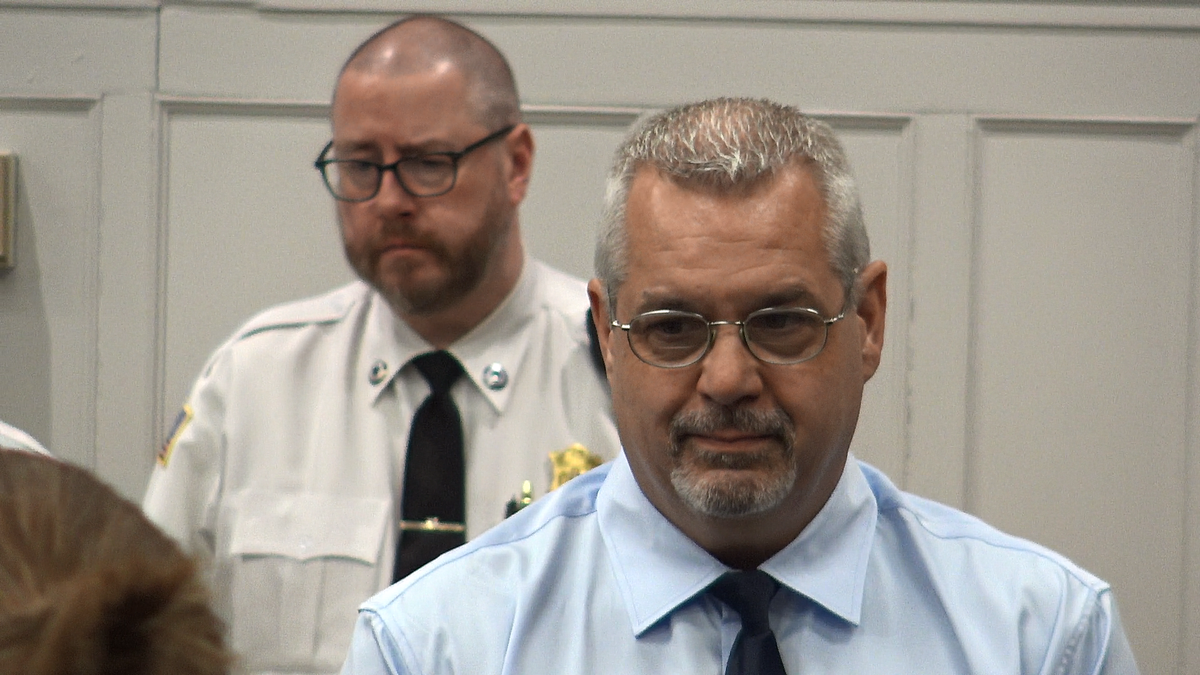
A Massachusetts judge on May 26 overturned the first-degree murder conviction of a man whom prosecutors say killed his then-girlfriend’s three-year-old son 30 years ago.
At a March 1997 trial, a Bristol County prosecutor argued that shortly before Christopher Affonso, Jr.’s death, Brian Peixoto assaulted the boy in a fit of rage after he wet himself in Peixoto’s Westport apartment. The prosecutor presented jurors with a lurid story in which Peixoto tortured the child by pinching his penis then grabbed him by his arms and slammed his head on a hard surface eight times, causing a six-inch fracture at the base of his skull and killing him almost immediately.
But for the past three decades, Peixoto has maintained his innocence. And on May 26, Plymouth County Superior Court Justice Daniel O’Shea threw out Peixoto’s murder conviction, finding that new science calls the prosecution’s theory of how Affonso died into question. In an 80-page decision, O’Shea said Peixoto is entitled to a new trial because recent research shows that children can sustain fractures at the base of the skull from short falls and that such fractures do not necessarily result in immediate death. The research, O’Shea said, contradicts the prosecution’s claim that Affonso’s injury could have only resulted from a violent assault shortly before he died.
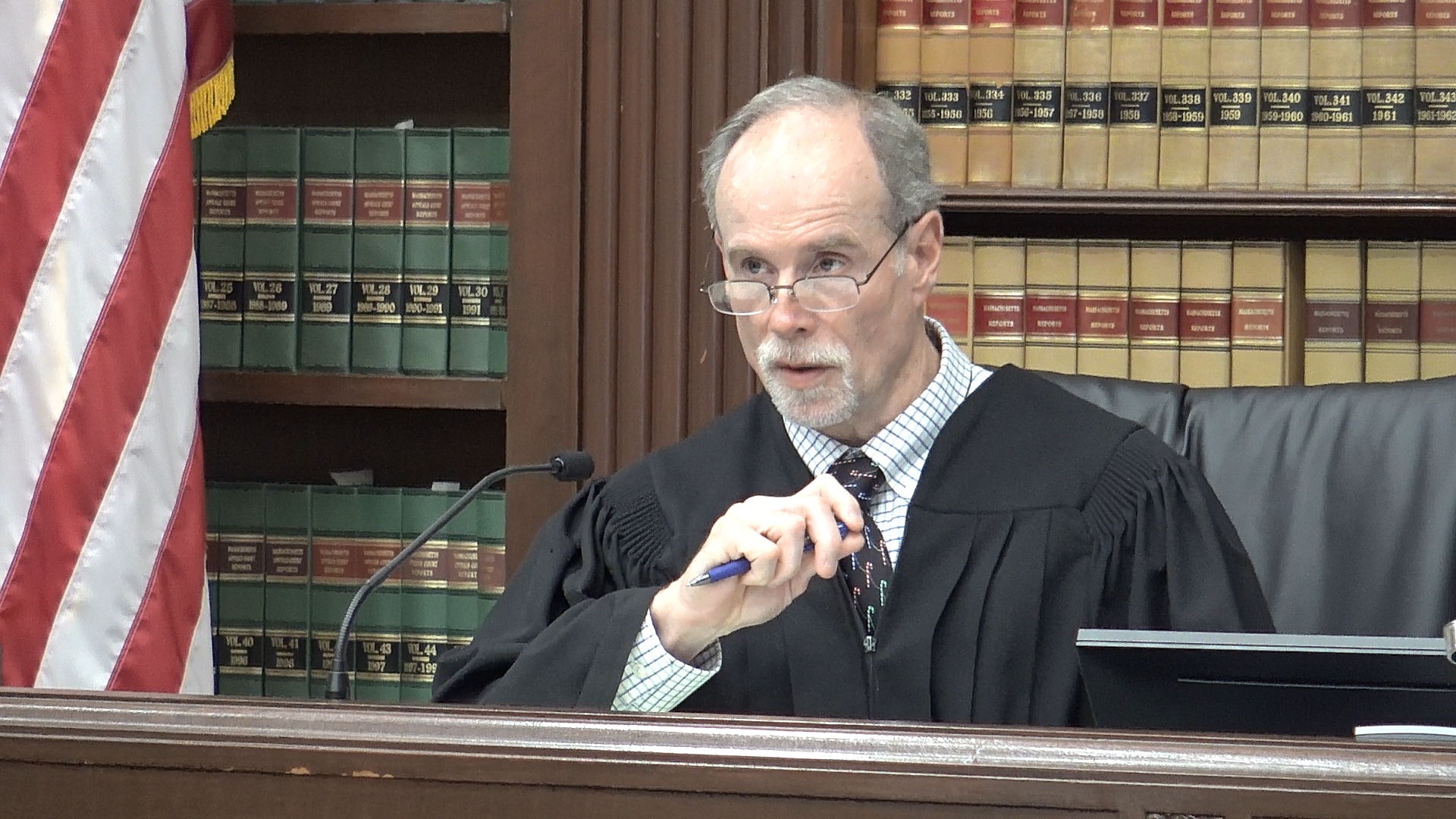
O’Shea made his findings after Peixoto’s lawyers and prosecutors presented new expert testimony at a six-day hearing with dates in August, December, and February. Members of Peixoto’s family—including his daughter Amber Peixoto, father Joseph Peixoto, sister Brenda Aguiar, and aunt Janice Peixoto—attended the hearing in support.
In court documents, Brian Peixoto’s lawyers say that the prosecution’s theory of how Affonso died is “completely wrong” and that “it is now clear that no one beat this child to death on the evening of January 22, 1996.” They argue that Affonso died from complications of a rare condition called post-traumatic diabetes insipidus that would have taken days to cause his death rather than killing him immediately.
About 10 days before Affonso’s death, the boy fell down the stairs at his grandmother’s house when Peixoto wasn’t present, hit his head, and fractured his clavicle, which Peixoto’s lawyers have pointed to as a possible alternative explanation for the skull fracture.
No one witnessed the alleged assault on Affonso the evening he was found collapsed in Peixoto’s Westport apartment. Affonso’s mother initially told investigators that she and Peixoto were both upstairs when her four-year-old daughter got their attention and said the boy was vomiting and banging his head in the basement. The mother said she and Peixoto then went downstairs at the same time to check on Affonso.
But after police showed the mother autopsy photos of her son’s injuries and challenged her account, she changed her story and said that Peixoto went downstairs first and she heard loud banging while she was still upstairs.
The prosecution’s theory that Peixoto was motivated by anger about Affonso wetting himself was partly based on a comment he made to police when they questioned him. According to a Massachusetts State Police trooper’s 1997 trial testimony, Peixoto said that “it pissed him off when Christopher peed his pants, but he didn’t want him to be dead.”
When Peixoto testified in his defense, he explained: “Well, basically when I made that comment, I was in shock. I just found out Christopher was dead. I realized that he wasn’t coming back. And that all the times that I was upset about him peeing his pants, I should have just been enjoying the time that we had to spend with Christopher.”
According to O’Shea’s ruling: “Peixoto was unable to present medical or other expert testimony to suggest that Christopher’s head injury was caused by a fall sometime before the date of his death. His defense therefore centered on an attempt to raise doubt as to whether he or [the mother] inflicted Christopher’s skull fracture on January 22, 1996.”
At Peixioto’s trial, the prosecution presented testimony from a pediatrician who said that causing the fracture in Affonso’s skull would have required force equivalent to a fall from a second-story window onto concrete. And a medical examiner who testified for the prosecution agreed that the injury must have been caused by a “massive application of force to the head.”
But studies from 2016 and 2022 presented by Peixoto’s lawyers found that a child could sustain such an injury from a fall of less than six feet, including a fall down stairs, and that it would not necessarily result in immediate loss of consciousness or death. O’Shea said this evidence “wholly contradicts the Commonwealth’s theory about Christopher’s cause of death.”
The pediatrician who testified at Peixoto’s trial also said that most of the bruises found on Affonso’s body occurred around the time of his death. The pediatrician said he based this conclusion on the bruises’ color. However, research has found that the age of a bruise cannot be determined in this manner, which O’Shea ruled was also newly discovered evidence undermining the prosecution’s theory.
The pediatrician also testified that someone pinched Affonso’s penis with the intention of “causing the child the greatest amount of suffering,” which he said was “the sort of thing that, unfortunately, we do see in cases of child abuse involving three-year-old kids whose toilet training has been a problem.” The trial prosecutor, in her closing argument, cited the alleged injuries to Affonso’s penis as evidence that Peixoto “left his mark on that baby like the Z from Zorro.”
But a medical examiner who testified for the prosecution in February said she could not definitively identify the marks as injuries and that they may have actually been a common post-mortem artifact that results from the body drying after death.
“Such testimony calls into question the Commonwealth’s theory that Peixoto severely beat Christopher and injured his genitalia in response to the child’s bedwetting accidents,” O’Shea wrote.
Peixoto is currently represented by Jennifer Fitzgerald and Lisa Kavanaugh, the latter of whom is the director of the Innocence Program at the state’s public defender agency, the Massachusetts Committee for Public Counsel Services.
“We are elated by the court’s decision to grant Brian Peixoto a new trial,” Fitzgerald said in a statement. “Brian has spent nearly 30 years maintaining his innocence, and this ruling is a significant step forward in an incredibly long and painful journey.”
Fitzgerald added: “Christopher’s death was an absolute tragedy, and we understand the deep sorrow that still surrounds it. However, modern science makes it clear that Brian did not cause this child’s death. We are currently awaiting a decision from the district attorney’s office as to how they intend to proceed, and our team is fully prepared to take whatever steps are necessary next to ensure Brian’s name is cleared, and he is brought home to his family.”
The Bristol County District Attorney’s Office now has the option to appeal O’Shea’s ruling and to prosecute Peixoto again. In response to a request for comment, Bristol County Deputy District Attorney Jennifer St. Laurent Sowa said, “We are in receipt of the decision and are currently in the process of reviewing it.”
In February, Peixoto’s lawyers presented expert testimony from Janice Ophoven, a forensic pathologist who specializes in pediatric pathology. Ophoven said she concluded that Affonso died from post-traumatic diabetes insipidus (PTDI), a condition that occurs when there is damage to the part of the brain that secretes the hormone that tells the kidneys to retain water.
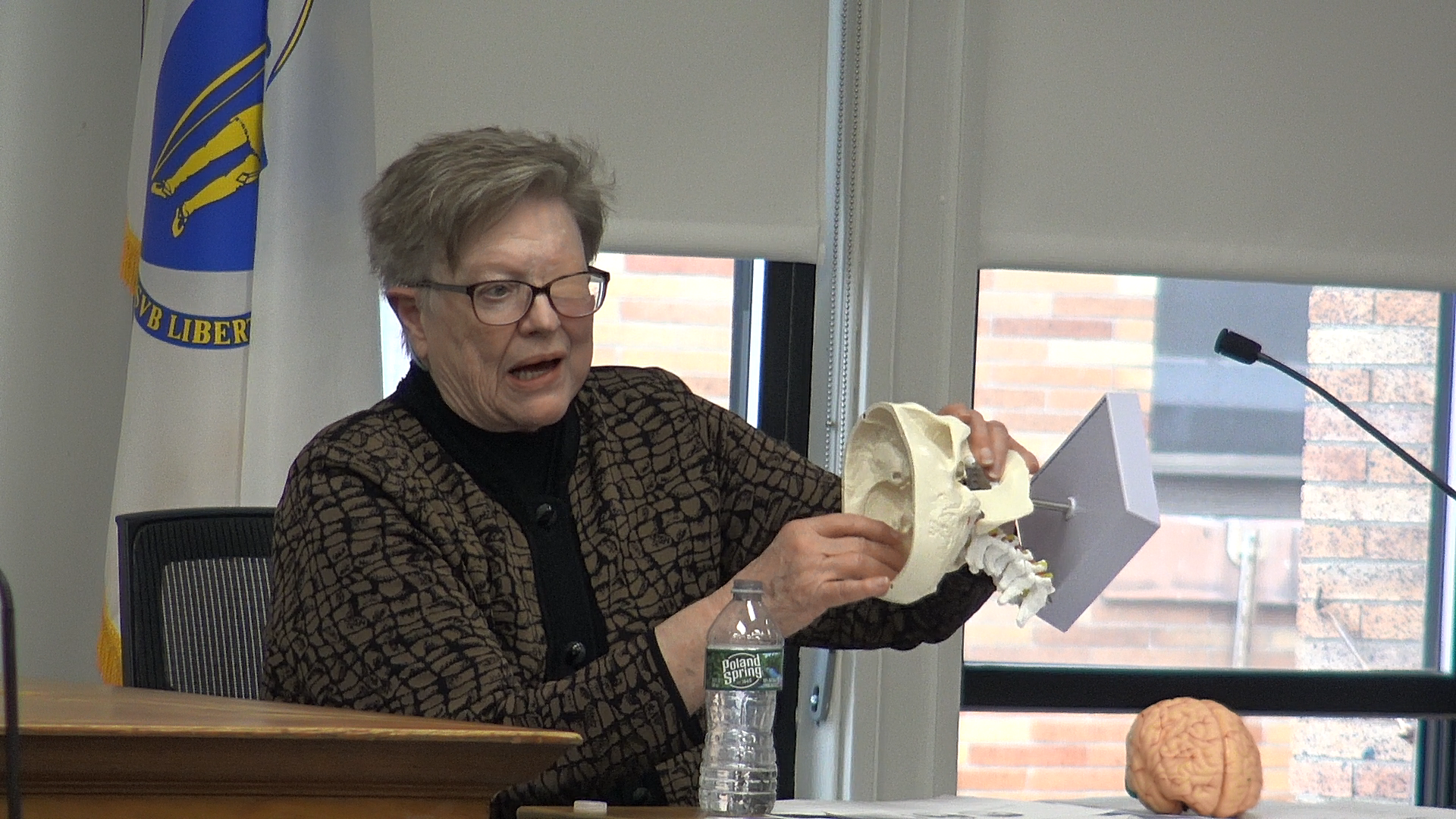
Peixoto’s lawyers say it’s impossible to determine exactly when Affonso developed PTDI, but Ophoven testified that the condition is associated with the type of skull fracture that the boy sustained.
When Affonso was at the emergency room on the evening of his death, testing showed his sodium level was 183, which Ophoven said was extremely high and the most important piece of evidence that the boy had PTDI.
Ophoven said Affonso also showed signs of dehydration. His mother had witnessed him acting “wobbly” prior to his death and medical personnel who treated him on the evening of his death observed that his lips were cracked and his eyes were sunken, she explained.
O’Shea ruled that Ophoven’s PTDI diagnosis is not new evidence because the condition was understood at the time of Peixoto’s trial and the test results about Affonso’s elevated sodium level were available to Peixoto’s trial attorney. However, the judge said that because of PTDI’s relationship with head trauma, it would be “manifestly unreasonable” for a defense attorney to not retain a relevant expert witness if Peixoto were tried today.
In February, the district attorney’s office presented expert testimony from David Cooke, a pediatric endocrinologist who disputed Ophoven’s PTDI diagnosis. Cooke said that Affonso did not appear to be producing the quantities of urine one would expect from a child with the condition.
But O’Shea said that he “need not determine who would prevail in a battle of the experts or whether Peixoto would be found not guilty” to rule that he was entitled to a new trial.
“[Jurors] may well have concluded that Christopher’s fall ten days before his death did not cause his skull fracture and that Peixoto administered a fatal beating in the basement,” O’Shea said. “Ultimately, however, fundamental fairness requires that a judgment of guilt or innocence be rendered by a jury informed about, not ignorant of, a scientifically plausible alternative explanation for Christopher’s tragic death.”
Although O’Shea overturned Peixoto’s conviction and vacated his sentence, the judge denied him bail.
“Peixoto has had numerous achievements while incarcerated over the past 30 years,” O’Shea said. “He has been a positive community member in the prison system and has shown himself to be a leader and mentor. He also has provided the court with many letters of support attesting to his good character and strong family support. Nonetheless, the Commonwealth’s case against Peixoto remains viable and arguably strong, notwithstanding that it now involves a battle of experts.”
UPDATE (6/2/2026): The Bristol County District Attorney’s Office filed a notice of its intent to appeal O’Shea’s ruling on June 1.
Thanks for reading! Journalism like this takes a lot of time and effort. If you’d like to keep The Mass Dump running, please consider offering your financial support, either by signing up for a paid subscription to this newsletter below, becoming a Patreon supporter, or sending a tip via PayPal or Venmo. Your support pays for this aggregation project and original investigative reporting. A monthly subscription is just $5.
Even if you can’t afford a paid sub, please sign up for a free one to get news about wrongful convictions, police misconduct, public records, and stuff like that—and please share this article on social media.
You can follow me on Bluesky and Mastodon. You can email me at aquemere0@gmail.com.
That’s all for now.