Man Whose Three-Decade-Old Murder Conviction Was Overturned Still Fighting to Be Released from Custody
Brian Peixoto’s murder conviction was overturned. Now he’s appealing after a judge ordered him held without bail while he continues fighting to clear his name.
A Massachusetts man whose nearly 30-year-old murder conviction was thrown out in May is asking a justice of the state’s highest court to release him from jail after a lower-court judge ordered him held without bail—a decision his attorneys say could keep him behind bars for years while he continues fighting to clear his name.
The judge who denied bail to Brian Peixoto did not adequately consider how the case against the former Westport man has weakened in light of new evidence or the extensive information showing he is not a flight risk, according to a brief his attorneys filed with the Massachusetts Supreme Judicial Court on July 6.
In January 1996, Peixoto was charged with killing his then-girlfriend’s three-year-old son; a jury convicted him of first-degree murder the following year. But in May, a judge overturned Peixoto’s conviction and vacated his life sentence, finding that new scientific evidence calls the prosecution’s theory of how the child died into question. A different judge denied bail in a ruling on July 1, writing that “the Commonwealth still has a viable case” and Peixoto poses a flight risk. Defense attorneys have since asked a single justice of the Supreme Judicial Court to overturn the bail decision and free Peixoto.
Separately, the Bristol County District Attorney’s Office in June filed a notice of its intent to appeal the decision that overturned Peixoto’s conviction, court records say. Prosecutors also have the option to retry Peixoto on the murder charge.
“It is the Commonwealth’s position … that the defendant should remain in custody,” said Bristol County Deputy District Attorney Jennifer St. Laurent Sowa.
Prosecutors have not yet filed a brief in the appeal related to Peixoto’s denial of bail, court records show.
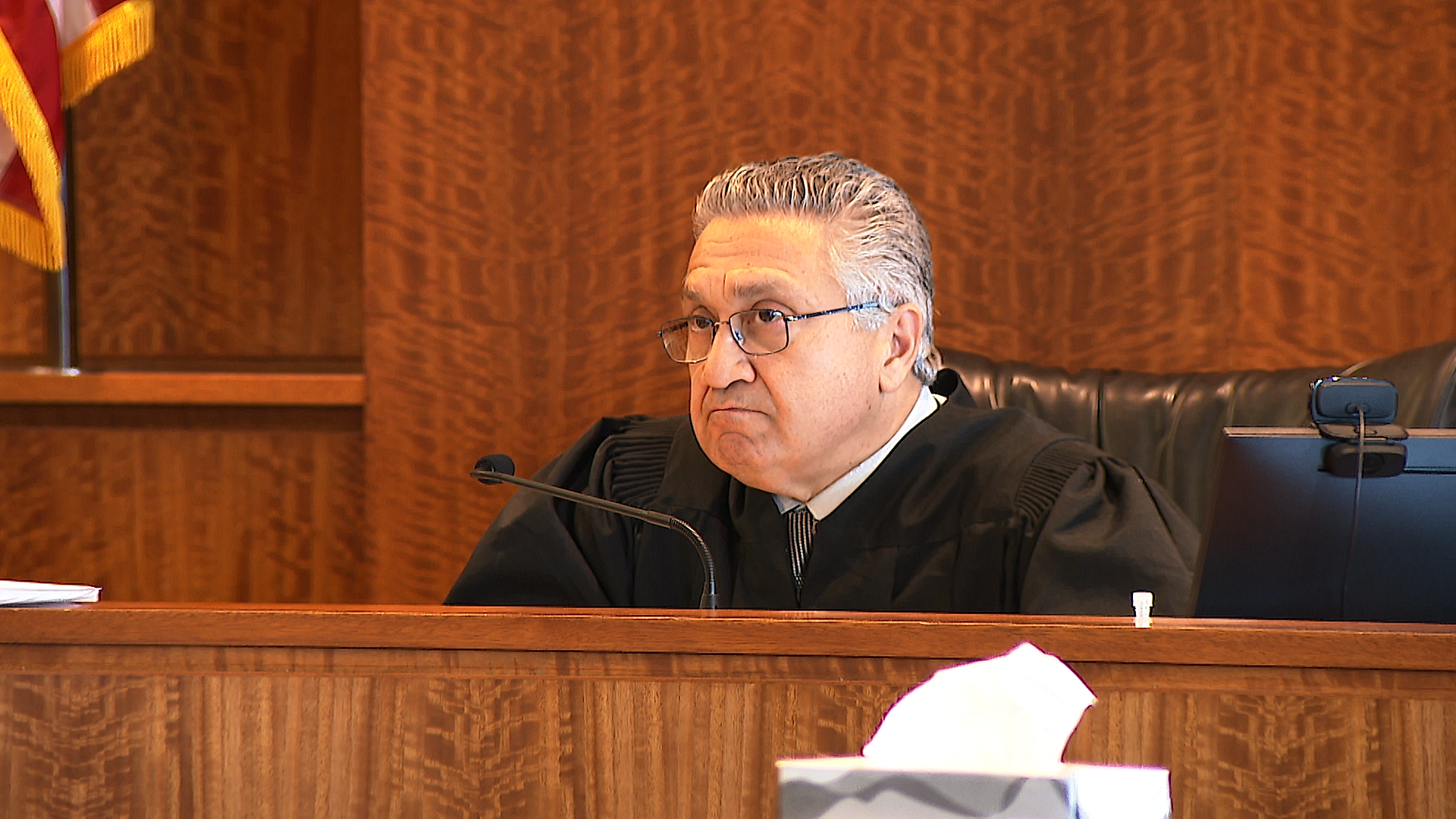
According to the bail decision by Bristol County Superior Court Justice Raffi Yessayan, Peixoto “still faces prosecution for the alleged violent death of a small child and a sentence of life in prison without the possibility of parole. … The defendant, therefore, still has a major incentive to flee to evade prosecution and to avoid the prospect of returning to prison.”
Peixoto’s lawyers say in their brief that their client “has been fighting for decades” to expose flaws in the medical evidence prosecutors used to secure his conviction and “thus has every incentive to return to court to see the case through to its completion and ensure that he is fully vindicated.”
Peixoto was 29 when he was charged with murder and has consistently maintained his innocence. In June, he turned 57 in jail while awaiting Yessayan’s bail ruling.
At a March 1997 trial, a Bristol County prosecutor accused Peixoto of murdering three-year-old Christopher Affonso, Jr. The prosecutor argued that shortly before Affonso’s death, Peixoto assaulted the boy in a fit of rage after he wet himself in Peixoto’s Westport apartment. The prosecutor presented jurors with a lurid story in which Peixoto tortured the child by pinching his penis then grabbed him by his arms and slammed his head on a hard surface eight times, causing a six-inch fracture at the base of his skull and killing him almost immediately.
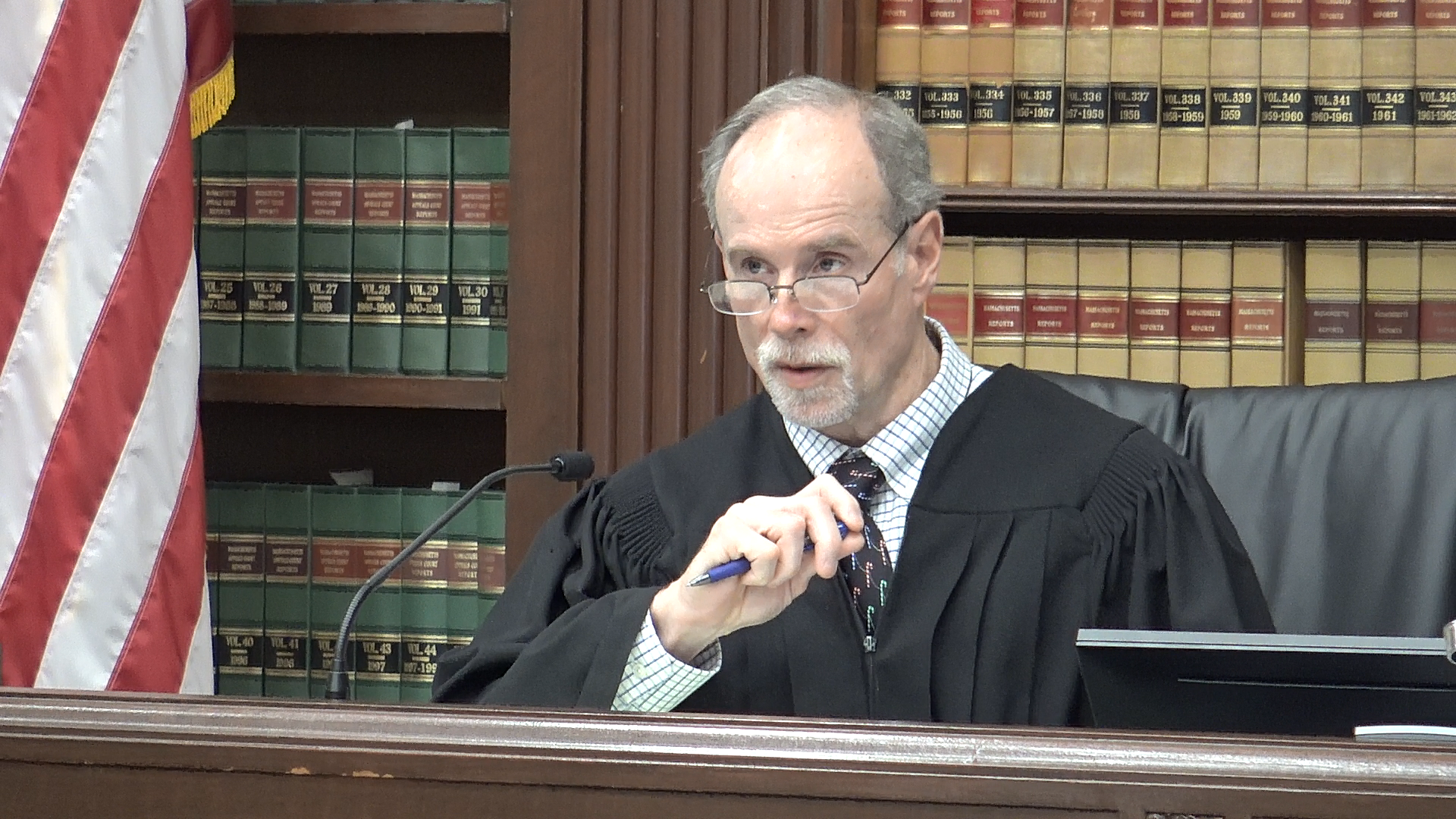
But on May 26, now-retired Plymouth County Superior Court Justice Daniel O’Shea overturned Peixoto’s murder conviction, finding that new medical science provides a different, plausible theory of how Affonso died. In an 80-page decision, O’Shea said Peixoto is entitled to a new trial because studies from 2016 and 2022 show that children can sustain fractures at the base of the skull from short falls and that such fractures do not necessarily result in immediate loss of consciousness or death. The research, O’Shea said, contradicts the prosecution’s claim that Affonso’s injury could have only resulted from a violent assault shortly before he died.
About 10 days before Affonso’s death, the boy fell down the stairs at his grandmother’s house when Peixoto wasn’t present, hit his head, and fractured his clavicle, which Peixoto’s lawyers have pointed to as a possible alternative explanation for the skull fracture.
No one witnessed the alleged assault on Affonso the evening he was found collapsed in Peixoto’s Westport apartment. Affonso’s mother initially told investigators that she and Peixoto were both upstairs when her four-year-old daughter got their attention and said the boy was vomiting and banging his head in the basement. The mother said she and Peixoto then went downstairs at the same time to check on Affonso.
But after police showed the mother autopsy photos of her son’s injuries and challenged her account, she changed her story and said that Peixoto went downstairs first and she heard loud banging while she was still upstairs.
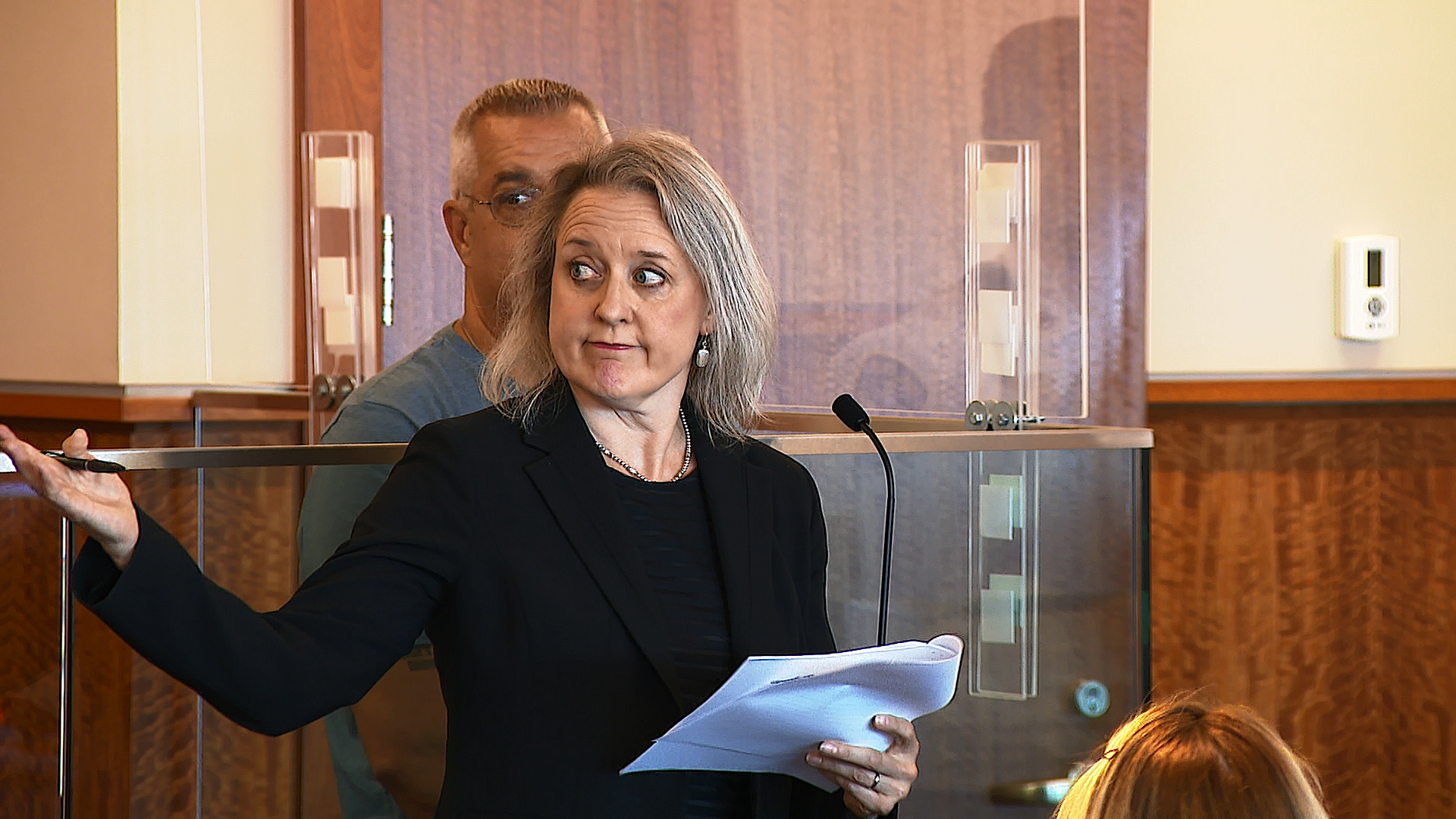
Peixoto appeared before Yessayan for a bail hearing at the Fall River Justice Center on June 4, prior to the judge’s ruling. Peixoto’s daughter, Amber Peixoto, his father, Joseph Peixoto, his sister, Brenda Peixoto-Aguiar, and other family members, friends, and supporters filled up the benches inside the courtroom at the time.
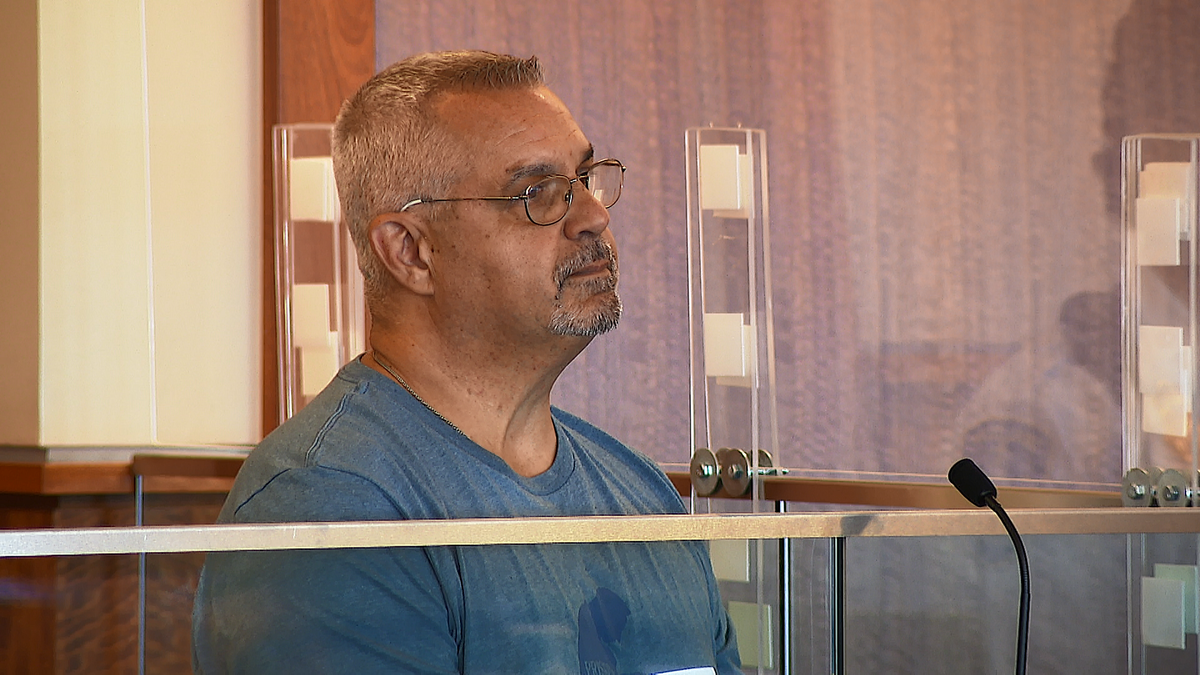
Brian Peixoto stood behind a glass enclosure on the side of the courtroom, his hands cuffed in front of him. He had a gray crew cut and goatee, and he wore a pair of bifocals, a chain necklace, and a t-shirt. A tattoo that said “AMBER’S DADDY” was visible on his right arm.
At the hearing, Bristol County Assistant District Attorney Dennis Collins said that “the defense in this case relies on creating an alternate timeline” that is inconsistent with the evidence presented at trial.
“The timeline requires that a short fall could cause a six-inch, linear, bilateral skull fracture from ear to ear across the base of the skull behind the brainstem, the thickest part of the skull, in a three-year-old child,” Collins said.
According to the prosecutor, neither study cited by the defense showed that a child had sustained the exact same type of fracture as Affonso.
In the bail decision, Yessayan wrote that he “considered that following [Peixoto’s] 1997 conviction, the defendant has had numerous achievements while incarcerated over the past 30 years.”
“He has been a positive community member in the prison system and has shown himself to be a leader and mentor,” the judge wrote. “He has provided the court with many letters of support attesting to his good character and strong family support. He also had a good number of people appear at the hearing on this motion to show they would support the defendant with housing, structure, support and work opportunities should he be released.”
Yessayan also acknowledged that “a new trial [would] feature a so-called battle of the experts.” However, he concluded that the prosecution “still has a very strong case against the defendant.”
Peixoto is represented by Jennifer Fitzgerald, Lisa Kavanaugh, and Jack Cunha. Kavanaugh is the director of the Innocence Program at the state’s public defender agency, the Massachusetts Committee for Public Counsel Services (CPCS).
Peixoto’s lawyers say in court records that the prosecution’s theory of how Affonso died is “completely wrong.” They argue that Affonso died from complications of a rare condition called post-traumatic diabetes insipidus (PTDI), which is associated with the type of skull fracture the boy sustained and would have taken days to cause his death rather than killing him immediately.
PTDI is a condition that occurs when there is damage to the part of the brain that secretes the hormone that tells the kidneys to retain water. The lawyers have cited lab-test results that showed Affonso’s sodium level was extremely elevated at the time of his death and evidence that he was dehydrated to support their theory.
Peixoto’s lawyers say in their July 6 brief that Yessayan’s bail decision failed to address how new evidence presented at a post-conviction hearing in 2025 and 2026 “contradicted nearly every aspect of the Commonwealth’s evidence from the original trial.”
“A retrial will not be just a variation of the who-done-it strategy employed at trial,” the attorneys write. “Rather, it will directly put into question whether [Affonso’s] death was the result of a homicide at all.”
At trial, the prosecution relied on expert testimony from a pediatrician who claimed that the impact to Affonso’s skull from the alleged assault crushed his brain and would have rendered him comatose almost immediately. However, prosecutors now acknowledge that no crushing injury occurred and would need to convince a jury that the boy was killed by a “fatal but invisible brain injury,” Peixoto’s attorneys write.
Prosecutors have also not been able to explain Affonso’s elevated sodium level or neurological symptoms he was displaying for several days prior to his death, the attorneys write.
According to Peixoto’s attorneys, “all of the other traditional bail factors—with the exception of the bare fact that he is charged with first degree murder—strongly militate in favor of release.”
Peixoto grew up in Westport, “has extensive family and community ties to Massachusetts,” and would live with his father and father’s long-term partner if granted bail, his attorneys say. He also arranged to be hired for a full-time job with an insulation-installation company in the event that he’s released.
“While incarcerated,” the attorneys say, “Mr. Peixoto led an exemplary life, seeking out educational, employment, and programmatic opportunities and earning the trust of prison leaders through his exemplary disciplinary record.”
Peixoto has no other criminal convictions and had only five disciplinary reports while incarcerated, the last of which occurred 12 years ago, according to his attorneys.
While incarcerated, Peixoto obtained his GED in 2000 and graduated magna cum laude from Boston University with a bachelor’s degree in interdisciplinary studies in 2025, his attorneys say. Peixoto also trained service dogs for the organization NEADS.
Peixoto organized two Walks for Innocence at MCI Norfolk, the last state prison where he was incarcerated, one in 2024 and another in 2025. Several people from outside the prison, including Kavanaugh, were allowed to participate, which required the approval of the Massachusetts Department of Correction and the leadership of MCI Norfolk, Peixoto’s attorneys say.
“His involvement in these events speaks volumes to his character and to the degree of responsibility and trust that he earned within the institution,” the attorneys write.
As a client of the CPCS Innocence Program, Peixoto would be provided with licensed social workers and mental health counselors who specialize in the reentry process if he is released, according to his attorneys.
Peixoto and his family would also receive help from the Exoneree Network, a group that supports people whose convictions have been overturned in Massachusetts. The assistance would include “financial literacy support, professional psychological and emotional support, and the support of the entire Exoneree Community,” his attorneys write.
One hour after his conviction was overturned, Peixoto was transferred from MCI Norfolk to a county jail, according to his attorneys. The abrupt move has meant that Peixoto no longer has regular contact with his family. It also meant that Carly, the service dog he was training for NEADS, had to be reassigned on an emergency basis to another trainer.
Peixoto has already served about 30 years in prison and, if not granted bail, will likely be incarcerated for several more years while prosecutors appeal the decision overturning his conviction and decide whether to retry him, which his attorneys say weighs in favor of his release.
“Mr. Peixoto is also deeply committed to clearing his own name,” his attorneys write. “Given how diligently Mr. Peixoto has worked toward finally securing his day in court as afforded by the granting of this motion for new trial, it is evidence that he will be wholeheartedly committed to attending all upcoming court dates.”
Thanks for reading! Journalism like this takes a lot of time and effort. If you’d like to keep The Mass Dump running, please consider offering your financial support, either by signing up for a paid subscription to this newsletter below, becoming a Patreon supporter, or sending a tip via PayPal or Venmo. Your support pays for original investigative reporting. A monthly subscription is just $5.
Even if you can’t afford a paid sub, please sign up for a free one to get news about wrongful convictions, police misconduct, public records, and stuff like that—and please share this article on social media.
You can follow me on Bluesky and Mastodon. You can email me at aquemere0@gmail.com.
That’s all for now.